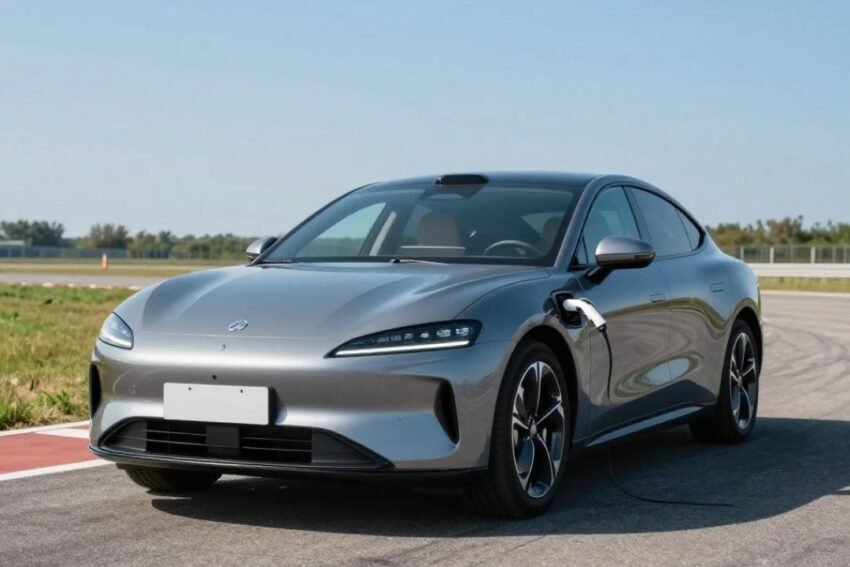
Introduction
Electric cars are transforming the automotive industry by offering cleaner, smarter, and more efficient transportation solutions. As concerns about climate change, rising fuel prices, and environmental sustainability continue to grow, more consumers are choosing electric vehicles (EVs) over traditional gasoline-powered cars. Thanks to rapid advancements in EV technology, modern electric cars now provide longer driving ranges, faster charging speeds, improved performance, and advanced safety features that make them practical for everyday use.
The global shift toward electric mobility has encouraged leading automakers to invest billions of dollars in research and development. New battery technologies, intelligent software systems, connected vehicle features, and innovative charging solutions are making electric cars more affordable and accessible than ever before. Governments around the world are also supporting EV adoption through incentives, stricter emission regulations, and investments in charging infrastructure.
This comprehensive SEO-friendly guide explores everything you need to know about electric cars and EV technology, including how they work, their benefits, technological innovations, industry trends, and what the future holds for sustainable transportation.
What Are Electric Cars?
Electric cars are vehicles powered entirely or primarily by electricity instead of gasoline or diesel fuel. Unlike conventional vehicles that rely on internal combustion engines, electric vehicles use rechargeable battery packs to supply energy to one or more electric motors.
The main components of an electric car include:
- High-voltage battery pack
- Electric motor
- Power inverter
- Charging system
- Battery management system
- Regenerative braking system
- Onboard computer and software
These components work together to provide smooth, quiet, and efficient driving while producing zero tailpipe emissions.
How EV Technology Works
Understanding EV technology helps drivers appreciate why electric vehicles differ from traditional cars.
When the driver presses the accelerator:
- The battery sends electrical energy to the inverter.
- The inverter converts direct current (DC) into alternating current (AC).
- The electric motor receives the electricity.
- The motor turns the wheels.
- Regenerative braking recovers energy during deceleration and sends it back to the battery.
This process is highly efficient and results in immediate power delivery with minimal energy loss.
Types of Electric Vehicles
There are several types of electric vehicles available today.
Battery Electric Vehicles (BEVs)
Battery Electric Vehicles operate entirely on electricity and produce zero emissions. They require charging through external charging stations.
Advantages include:
- Zero fuel consumption
- Lower maintenance
- Quiet operation
- Instant acceleration
Hybrid Electric Vehicles (HEVs)
Hybrid vehicles combine a gasoline engine with an electric motor.
Benefits include:
- Improved fuel economy
- Reduced emissions
- No external charging required
- Longer driving range
Plug-in Hybrid Electric Vehicles (PHEVs)
Plug-in hybrids use both electricity and gasoline while allowing owners to recharge the battery externally.
Advantages include:
- Electric-only driving for short trips
- Backup gasoline engine
- Excellent fuel efficiency
- Greater flexibility
Advantages of Electric Cars
Electric vehicles provide numerous benefits that make them increasingly attractive to consumers.
Environmentally Friendly
Electric cars produce zero tailpipe emissions, helping reduce air pollution and greenhouse gas emissions.
Lower Operating Costs
Charging an electric vehicle is generally less expensive than purchasing gasoline or diesel fuel.
Drivers also save money through:
- Reduced maintenance
- No oil changes
- Fewer moving engine parts
- Longer brake life due to regenerative braking
Instant Performance
Electric motors deliver maximum torque immediately.
Benefits include:
- Quick acceleration
- Smooth driving
- Responsive handling
- Quiet operation
Many electric vehicles outperform traditional gasoline-powered vehicles in acceleration.
Reduced Maintenance
Electric vehicles have simpler mechanical systems than internal combustion engine vehicles.
They eliminate the need for:
- Oil changes
- Spark plug replacements
- Timing belts
- Exhaust system maintenance
This significantly lowers long-term maintenance expenses.
Battery Technology Continues Advancing
Battery technology is the foundation of every electric vehicle.
Recent improvements include:
- Higher energy density
- Longer driving range
- Faster charging
- Improved durability
- Enhanced safety
- Lower manufacturing costs
Researchers continue developing next-generation batteries that promise even greater efficiency.
Charging Technology Improves Every Year
Charging infrastructure has expanded rapidly to support the growing number of electric vehicles.
Charging options include:
Home Charging
Most EV owners charge their vehicles overnight using home charging equipment.
Advantages include:
- Convenience
- Lower electricity costs
- Daily full battery
Public Charging Stations
Public chargers are commonly found at:
- Shopping centers
- Parking garages
- Hotels
- Highway rest stops
- Office buildings
They provide flexible charging while away from home.
Fast Charging
Fast chargers dramatically reduce charging time.
Benefits include:
- Convenient road trips
- Reduced waiting time
- Extended driving range in minutes
Fast charging technology continues improving as battery systems evolve.
Regenerative Braking Improves Efficiency
One of the most innovative EV technologies is regenerative braking.
Instead of wasting energy during braking, electric vehicles recover kinetic energy and store it back in the battery.
Benefits include:
- Improved efficiency
- Extended driving range
- Reduced brake wear
- Lower maintenance costs
This technology contributes significantly to overall vehicle efficiency.
Smart Features in Modern Electric Cars
Today’s electric vehicles include advanced digital technologies.
Popular features include:
- Large touchscreen displays
- Wireless Apple CarPlay
- Android Auto
- Voice assistants
- Smartphone connectivity
- Navigation systems
- Remote climate control
- Mobile charging management
Many EVs receive over-the-air software updates that continuously improve performance and add new features.
Artificial Intelligence in EVs
Artificial Intelligence (AI) is making electric vehicles smarter than ever.
AI helps improve:
- Battery management
- Route planning
- Charging recommendations
- Voice recognition
- Predictive maintenance
- Driver assistance systems
These intelligent systems enhance convenience while maximizing vehicle efficiency.
Advanced Safety Technologies
Electric cars often feature some of the industry’s most advanced safety systems.
Common technologies include:
- Automatic emergency braking
- Adaptive cruise control
- Lane departure warning
- Blind-spot monitoring
- Lane-keeping assist
- Rear cross-traffic alert
- Driver monitoring
- 360-degree cameras
These features improve road safety while reducing driver fatigue.
Environmental Benefits
Electric vehicles contribute significantly to environmental protection.
Key advantages include:
- Zero tailpipe emissions
- Lower greenhouse gas emissions
- Reduced dependence on fossil fuels
- Improved urban air quality
- Support for renewable energy
As electricity generation becomes cleaner, EVs become even more environmentally friendly.
Challenges Facing Electric Cars
Despite their advantages, electric vehicles still face several challenges.
Current limitations include:
- Higher purchase prices
- Charging infrastructure in some regions
- Charging time
- Battery material availability
- Cold-weather range reduction
However, ongoing technological advancements continue addressing these concerns.
Future of EV Technology
The future of electric mobility is filled with exciting innovations.
Upcoming developments include:
- Solid-state batteries
- Ultra-fast charging
- Wireless charging
- Autonomous electric vehicles
- Vehicle-to-grid technology
- Artificial intelligence integration
- Improved battery recycling
- Sustainable manufacturing
These innovations will make electric vehicles even more practical and affordable.
Tips for Buying an Electric Car
If you’re considering switching to an electric vehicle, consider these factors:
- Determine your daily driving needs.
- Compare battery range.
- Evaluate charging availability.
- Review warranty coverage.
- Compare long-term ownership costs.
- Research government incentives.
- Read professional EV reviews.
- Take a thorough test drive.
Careful planning ensures you choose the EV that best fits your lifestyle.
Why Electric Cars Are the Future
Several factors indicate that electric vehicles will dominate future transportation.
These include:
- Stricter environmental regulations
- Continued battery innovation
- Expanding charging infrastructure
- Lower ownership costs
- Increased consumer demand
- Greater manufacturer investment
- Government incentives
- Improved technology
As these trends continue, electric mobility will become increasingly common worldwide.
Conclusion
Electric cars and EV technology are reshaping the automotive industry by providing cleaner, more efficient, and technologically advanced transportation solutions. With significant improvements in battery performance, charging infrastructure, intelligent software, safety systems, and driving range, modern electric vehicles have become practical choices for both everyday commuting and long-distance travel.
As governments, manufacturers, and consumers continue supporting sustainable mobility, electric vehicles will play a vital role in reducing emissions and creating a greener future. Innovations such as solid-state batteries, autonomous driving, artificial intelligence, wireless charging, and connected vehicle technology promise to make EVs even more capable in the years ahead.
Whether you’re planning to purchase your first electric car or simply interested in the future of transportation, understanding electric cars and EV technology helps you make informed decisions and stay ahead of one of the most significant revolutions in automotive history. With ongoing innovation and expanding infrastructure, the future of electric mobility has never looked more promising.