Introduction
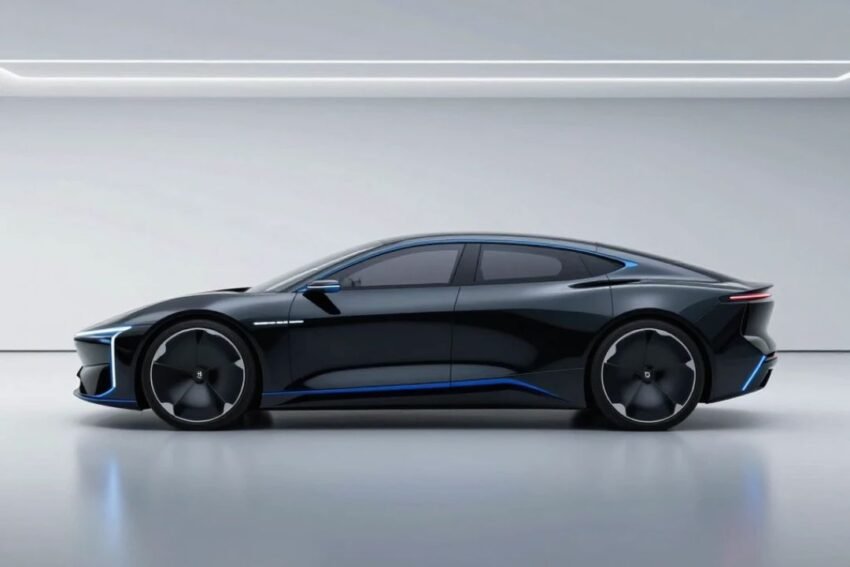
The future of electric vehicles (EVs) is brighter than ever. As governments, automakers, and consumers embrace cleaner and more sustainable transportation, electric vehicles are becoming a driving force behind the global automotive revolution. Once considered a niche market, EVs have now entered the mainstream, offering impressive performance, cutting-edge technology, and lower environmental impact.
Rapid advancements in battery technology, charging infrastructure, artificial intelligence, and renewable energy are reshaping how people travel. Leading manufacturers are investing billions of dollars in research and development to create electric vehicles with longer driving ranges, faster charging times, and smarter features.
In this article, we’ll explore the future of electric vehicles, the technologies driving innovation, the challenges the industry faces, and what consumers can expect in the years ahead.
Why Electric Vehicles Are the Future
Electric vehicles are more than just an alternative to gasoline-powered cars—they represent the future of transportation. As concerns about climate change, fuel costs, and air pollution continue to grow, EVs offer a cleaner and more efficient solution.
Several factors are accelerating the global shift toward electric mobility:
- Rising fuel prices
- Government incentives for EV adoption
- Stricter emissions regulations
- Improved battery technology
- Growing charging infrastructure
- Increased consumer awareness of sustainability
- Lower maintenance costs
- Continuous advancements in automotive technology
With these developments, electric vehicles are expected to dominate the automotive market over the coming decades.
Advancements in Battery Technology
Battery technology is the heart of every electric vehicle. One of the biggest reasons EVs are becoming more practical is the rapid improvement in battery performance.
Longer Driving Range
Modern electric vehicles already offer impressive driving ranges, and future models are expected to travel even farther on a single charge. New battery designs are increasing energy density, allowing manufacturers to store more power without significantly increasing battery size or weight.
This means drivers will enjoy longer road trips with fewer charging stops.
Faster Charging
Charging speed is another area of rapid innovation. Future EV batteries are being designed to support ultra-fast charging, reducing charging times from hours to just minutes. As charging technology improves, the convenience of owning an electric vehicle will continue to increase.
Solid-State Batteries
Solid-state batteries are considered one of the most promising breakthroughs in EV technology. Unlike traditional lithium-ion batteries, they use solid electrolytes instead of liquid ones.
Benefits of solid-state batteries include:
- Higher energy density
- Faster charging
- Longer lifespan
- Improved safety
- Reduced fire risk
- Better performance in extreme temperatures
These batteries could revolutionize the electric vehicle industry in the coming years.
Expansion of Charging Infrastructure
One of the biggest concerns for potential EV buyers has been charging availability. Fortunately, charging networks are expanding rapidly across cities, highways, and rural areas.
Future charging infrastructure will include:
- More public charging stations
- Ultra-fast charging hubs
- Wireless charging technology
- Smart charging systems
- Solar-powered charging stations
- Workplace charging facilities
- Residential charging solutions
Improved charging accessibility will make electric vehicle ownership more convenient for millions of drivers worldwide.
Artificial Intelligence and Smart EV Technology
Artificial intelligence (AI) is becoming an essential part of modern electric vehicles. Future EVs will feature intelligent systems that improve driving safety, efficiency, and user experience.
AI-powered features include:
- Predictive battery management
- Intelligent route planning
- Real-time traffic analysis
- Voice-controlled assistants
- Driver behavior monitoring
- Automatic parking
- Personalized driving settings
- Advanced navigation systems
These innovations will make electric vehicles smarter and easier to use than ever before.
Autonomous Driving and Electric Vehicles
The future of transportation will likely combine electric power with autonomous driving technology. Self-driving EVs have the potential to reduce accidents, improve traffic flow, and make transportation more accessible.
Autonomous electric vehicles may offer:
- Hands-free highway driving
- Automatic lane changes
- Collision avoidance systems
- Smart parking assistance
- Traffic congestion management
- Enhanced pedestrian detection
Although fully autonomous driving is still under development, continuous advancements are bringing this technology closer to everyday use.
Environmental Benefits of Future EVs
Electric vehicles play a significant role in reducing greenhouse gas emissions and improving air quality. As renewable energy sources become more common, EVs will become even cleaner.
Environmental advantages include:
- Zero tailpipe emissions
- Reduced air pollution
- Lower carbon footprint
- Less dependence on fossil fuels
- Improved urban air quality
- Support for renewable energy integration
Future battery recycling programs will also help minimize environmental waste and promote a more sustainable automotive industry.
The Role of Renewable Energy
The future of electric vehicles is closely connected to renewable energy sources such as solar, wind, and hydroelectric power.
Charging EVs with clean electricity significantly reduces overall emissions. Many homeowners are already installing solar panels alongside home charging stations, allowing them to power their vehicles using renewable energy.
This combination of clean energy and electric transportation creates a more sustainable future for both consumers and the environment.
Lower Ownership Costs
Although electric vehicles often have higher upfront prices, future manufacturing improvements are expected to reduce production costs.
As battery prices continue to fall, EVs will become more affordable for average consumers.
Owners also benefit from lower operating costs due to:
- Reduced fuel expenses
- Lower maintenance requirements
- Fewer mechanical repairs
- Longer-lasting powertrains
- Government incentives in many regions
These financial advantages make EV ownership increasingly attractive.
Future Innovations in Electric Vehicles
The next generation of electric vehicles will introduce exciting technologies that improve efficiency, convenience, and performance.
Expected innovations include:
Vehicle-to-Grid (V2G) Technology
Future EVs may supply electricity back to the power grid during periods of high demand. This creates a two-way energy flow that helps stabilize electricity networks while allowing owners to earn financial benefits.
Wireless Charging
Wireless charging eliminates cables by allowing vehicles to recharge simply by parking over charging pads.
Advanced Battery Recycling
Improved recycling methods will recover valuable materials from used batteries, reducing environmental impact and manufacturing costs.
Lightweight Materials
Manufacturers are increasingly using lightweight aluminum, carbon fiber, and composite materials to improve efficiency and extend driving range.
Connected Vehicles
Future EVs will communicate with traffic systems, charging stations, and other vehicles to improve safety and reduce congestion.
Challenges Facing the EV Industry
Despite tremendous progress, several challenges remain before electric vehicles become the universal standard.
Charging Infrastructure
Although expanding rapidly, charging networks still need broader coverage, particularly in remote areas.
Battery Material Supply
The growing demand for lithium, nickel, cobalt, and other battery materials requires sustainable mining and recycling solutions.
Initial Purchase Price
While costs are decreasing, some EV models remain more expensive than comparable gasoline vehicles.
Grid Capacity
As millions of EVs enter the roads, electricity grids will need modernization to support increased charging demand.
Addressing these challenges will require collaboration between governments, utility companies, manufacturers, and technology providers.
Consumer Trends Shaping the Future
Consumer expectations continue to influence EV development.
Today’s buyers are looking for:
- Longer driving ranges
- Faster charging
- Affordable pricing
- Smart technology
- Luxury interiors
- High safety ratings
- Sustainable manufacturing
- Connected digital experiences
Automakers are responding by developing electric vehicles that combine efficiency, comfort, innovation, and performance.
The Future of Electric SUVs, Trucks, and Commercial Vehicles
Electric technology is expanding beyond passenger cars.
Future markets include:
- Electric pickup trucks
- Electric SUVs
- Delivery vans
- Public buses
- Heavy-duty trucks
- Construction vehicles
Commercial fleets are rapidly transitioning to electric power to reduce fuel costs and meet environmental regulations.
This shift will significantly reduce transportation-related emissions worldwide.
What Consumers Can Expect in the Next Decade
The next ten years will likely bring remarkable changes to the EV market.
Consumers can expect:
- More affordable electric vehicles
- Charging times under 15 minutes
- Driving ranges exceeding 800 kilometers
- Improved battery durability
- Greater software integration
- Enhanced autonomous driving features
- Expanded charging infrastructure
- Increased model availability across all vehicle categories
These developments will make electric vehicles a practical choice for nearly every driver.
Conclusion
The future of electric vehicles is transforming the automotive industry and redefining how people travel. Advances in battery technology, charging infrastructure, artificial intelligence, autonomous driving, and renewable energy are making EVs more efficient, affordable, and accessible than ever before.
Although challenges such as charging infrastructure, battery material supply, and electricity grid capacity remain, continuous innovation and global investment are driving rapid progress. As costs decrease and technology improves, electric vehicles will become the preferred choice for millions of consumers around the world.
Whether you’re planning to buy your first EV or simply interested in the future of transportation, there’s no doubt that electric vehicles are shaping a cleaner, smarter, and more sustainable tomorrow. The transition to electric mobility is well underway, and the coming years promise exciting advancements that will revolutionize the way we drive.