Introduction
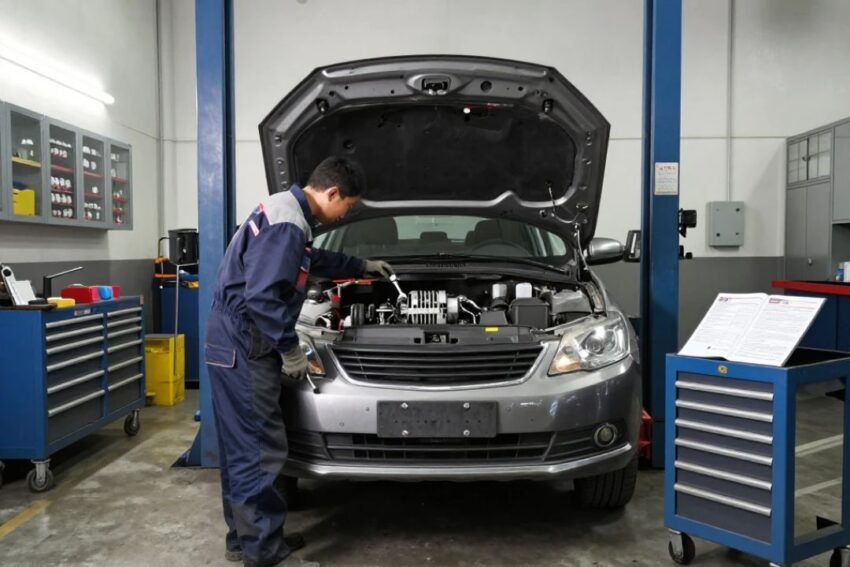
Regular car maintenance is the key to extending your vehicle’s lifespan, improving fuel efficiency, and avoiding expensive repair bills. Whether you own a brand-new sedan, a family SUV, a pickup truck, or a high-performance sports car, proper maintenance ensures your vehicle remains safe, reliable, and efficient for years to come.
Many drivers overlook routine maintenance until a warning light appears or a mechanical problem develops. However, following a preventive maintenance schedule can save thousands of dollars in repair costs while improving your driving experience. Understanding basic repair procedures and knowing when to seek professional help can also prevent minor issues from becoming major mechanical failures.
This comprehensive guide covers essential car maintenance tips, basic repair guides, seasonal maintenance advice, and practical recommendations that every vehicle owner should know.
Why Regular Car Maintenance Matters
Routine maintenance keeps every major component of your vehicle operating efficiently. Neglecting regular service can lead to reduced performance, poor fuel economy, increased emissions, and unexpected breakdowns.
Benefits of regular maintenance include:
- Improved engine performance
- Better fuel efficiency
- Longer vehicle lifespan
- Increased resale value
- Reduced repair costs
- Enhanced road safety
- Lower risk of breakdowns
- Better driving comfort
Preventive maintenance is always less expensive than repairing major engine or transmission damage.
Follow Your Vehicle’s Maintenance Schedule
Every manufacturer provides a recommended maintenance schedule based on mileage or time. Following this schedule helps ensure that all critical components are inspected and serviced before problems occur.
Typical maintenance intervals include:
- Engine oil and filter changes
- Tire rotation
- Brake inspection
- Air filter replacement
- Coolant replacement
- Transmission service
- Spark plug replacement
- Timing belt inspection (if applicable)
Keeping service records also helps maintain your vehicle’s resale value.
Check Engine Oil Regularly
Engine oil lubricates moving engine parts, reduces friction, and prevents overheating. Low or dirty oil can cause severe engine damage if ignored.
Tips for checking engine oil:
- Park on a level surface.
- Turn off the engine and let it cool for a few minutes.
- Use the dipstick to check the oil level.
- Ensure the oil is between the minimum and maximum marks.
- Replace oil according to the manufacturer’s recommendations.
Using the correct oil grade improves engine performance and longevity.
Inspect Tires Frequently
Tires affect handling, braking, fuel economy, and overall safety.
Tire maintenance includes:
- Checking tire pressure monthly
- Rotating tires every 5,000–8,000 kilometers
- Inspecting tread depth
- Looking for uneven wear
- Checking for cracks or punctures
- Maintaining proper wheel alignment
Properly inflated tires improve fuel efficiency and extend tire life.
Maintain the Brake System
Brakes are among the most important safety components of any vehicle.
Watch for these warning signs:
- Squealing noises
- Grinding sounds
- Vibrations while braking
- Soft brake pedal
- Increased stopping distance
- Brake warning light
Regular brake inspections help identify worn pads, damaged rotors, or leaking brake fluid before they become serious safety hazards.
Replace Air Filters
Your vehicle has two important air filters:
Engine Air Filter
A clean engine air filter allows proper airflow, improving combustion, fuel efficiency, and engine performance.
Cabin Air Filter
The cabin air filter keeps dust, pollen, and pollutants out of your vehicle’s interior, improving air quality for passengers.
Replace both filters according to the manufacturer’s service schedule or sooner if driving in dusty conditions.
Monitor Battery Health
A healthy battery ensures reliable engine starts and powers your vehicle’s electrical systems.
Battery maintenance tips:
- Inspect battery terminals for corrosion.
- Keep connections clean and tight.
- Test battery voltage periodically.
- Replace aging batteries before failure.
- Avoid leaving lights on when the engine is off.
Most car batteries last between three and five years, depending on climate and usage.
Check Fluid Levels
Modern vehicles rely on several essential fluids for proper operation.
Regularly inspect:
- Engine oil
- Coolant
- Brake fluid
- Transmission fluid
- Power steering fluid
- Windshield washer fluid
Low fluid levels can lead to overheating, brake failure, steering problems, or transmission damage.
Understand Dashboard Warning Lights
Modern vehicles use warning lights to alert drivers about potential problems.
Common warning indicators include:
- Check Engine Light
- Oil Pressure Warning
- Battery Warning
- ABS Warning
- Tire Pressure Monitoring System (TPMS)
- Engine Temperature Warning
Never ignore warning lights, as early diagnosis can prevent costly repairs.
Basic DIY Car Repair Tips
Many simple maintenance tasks can be performed at home with basic tools.
Replace Windshield Wipers
Worn wipers reduce visibility during rain. Replace them every six to twelve months or when they leave streaks.
Change Light Bulbs
Burned-out headlights, brake lights, or turn signals should be replaced immediately to ensure safety and comply with traffic laws.
Replace Air Filters
Replacing engine and cabin air filters is usually a quick and inexpensive task that requires minimal tools.
Check Tire Pressure
Using a tire pressure gauge regularly helps improve safety, tire life, and fuel economy.
Always consult your owner’s manual before attempting any repairs.
Seasonal Car Maintenance Tips
Weather changes can affect vehicle performance.
Summer Maintenance
Hot weather can strain cooling systems and batteries.
Before summer:
- Inspect coolant levels
- Check air conditioning performance
- Monitor tire pressure
- Inspect hoses and belts
- Test battery condition
Winter Maintenance
Cold weather presents different challenges.
Prepare by:
- Testing the battery
- Checking antifreeze concentration
- Installing winter tires if necessary
- Inspecting windshield wipers
- Keeping an emergency kit in the vehicle
Seasonal maintenance reduces the risk of weather-related breakdowns.
Common Car Problems and Their Causes
Understanding common issues helps drivers identify problems early.
Engine Overheating
Possible causes include:
- Low coolant
- Faulty thermostat
- Damaged radiator
- Cooling fan failure
Poor Fuel Economy
Potential reasons include:
- Dirty air filter
- Underinflated tires
- Worn spark plugs
- Low-quality fuel
- Aggressive driving habits
Engine Misfires
Possible causes:
- Worn spark plugs
- Faulty ignition coils
- Fuel injector problems
- Vacuum leaks
Early diagnosis prevents further engine damage.
When to Visit a Professional Mechanic
While basic maintenance can often be handled at home, some repairs require professional expertise.
Seek professional assistance if you notice:
- Persistent warning lights
- Transmission issues
- Brake failure
- Engine knocking
- Excessive exhaust smoke
- Suspension problems
- Electrical faults
- Steering difficulties
Certified technicians have specialized equipment to diagnose and repair complex mechanical issues safely.
Tips to Extend Your Vehicle’s Lifespan
Simple driving habits can significantly increase vehicle longevity.
Best practices include:
- Avoid rapid acceleration
- Brake smoothly
- Warm up the engine briefly in cold weather
- Follow service intervals
- Use high-quality replacement parts
- Keep the vehicle clean
- Wash the underbody during winter to remove road salt
- Address small problems before they become serious
Consistent care keeps your vehicle running efficiently for many years.
Modern Technology in Vehicle Maintenance
Today’s vehicles feature advanced diagnostic systems that simplify maintenance.
Modern technologies include:
- On-board diagnostics (OBD-II)
- Digital service reminders
- Tire pressure monitoring systems
- Predictive maintenance software
- Smartphone vehicle monitoring apps
- Remote diagnostics
- Connected vehicle services
These innovations help drivers detect issues early and maintain optimal vehicle performance.
Cost-Saving Maintenance Tips
Routine maintenance is one of the best ways to reduce long-term ownership costs.
You can save money by:
- Following the recommended maintenance schedule
- Checking tire pressure regularly
- Changing oil on time
- Replacing filters when needed
- Fixing small problems early
- Comparing repair estimates from reputable workshops
- Using quality replacement parts
Preventive maintenance almost always costs less than major repairs caused by neglect.
Conclusion
Proper car maintenance is essential for ensuring safety, reliability, and long-term performance. By following your vehicle’s maintenance schedule, checking fluid levels, inspecting tires and brakes, monitoring battery health, and understanding basic repair procedures, you can avoid costly breakdowns and keep your car running smoothly.
Routine care not only improves fuel efficiency and extends your vehicle’s lifespan but also enhances driving comfort and protects your investment. While many simple maintenance tasks can be completed at home, recognizing when professional repairs are necessary is equally important.
Whether you are a new driver or an experienced car owner, adopting consistent maintenance habits will help you enjoy dependable performance, lower repair costs, and greater peace of mind on every journey. With regular inspections and timely repairs, your vehicle can continue to deliver safe and efficient transportation for many years to come.