Introduction
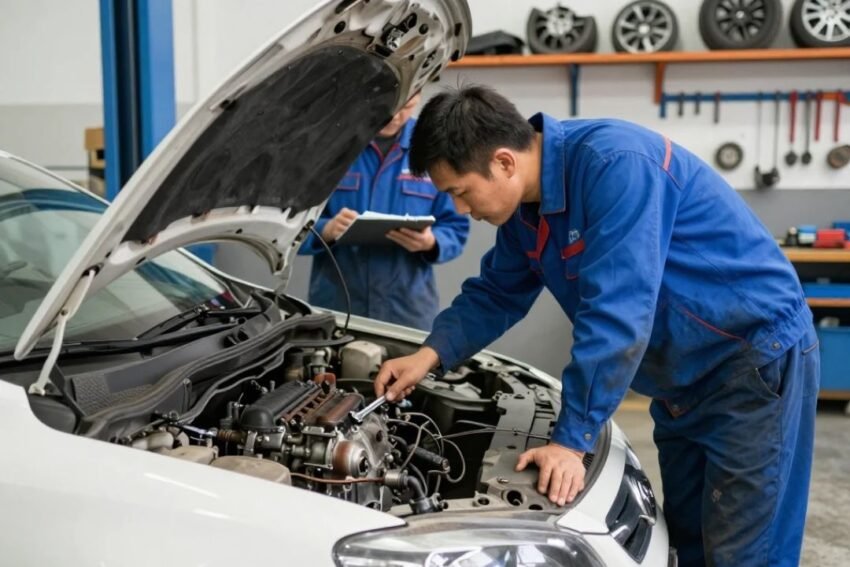
Every vehicle requires regular maintenance and occasional repairs to perform at its best. Whether you drive a compact car, luxury sedan, family SUV, pickup truck, or sports vehicle, proper auto repair and car care are essential for safety, reliability, and long-term performance. Ignoring small mechanical issues can lead to costly repairs, reduced fuel efficiency, and unexpected breakdowns.
Fortunately, many common automotive problems can be prevented through routine inspections, timely servicing, and smart driving habits. Understanding the basics of vehicle maintenance also helps car owners identify warning signs early and make informed decisions when repairs are needed.
This comprehensive guide provides expert advice on auto repair and car care, covering preventive maintenance, common repair issues, seasonal maintenance, cost-saving tips, and best practices for keeping your vehicle in excellent condition.
Why Regular Car Care Is Important
Proper vehicle maintenance does more than keep your car looking good—it protects major mechanical components and helps prevent expensive repairs.
Benefits of regular car care include:
- Improved engine performance
- Better fuel efficiency
- Increased road safety
- Lower maintenance costs
- Longer vehicle lifespan
- Higher resale value
- Reduced emissions
- More reliable daily driving
Routine maintenance is a smart investment that saves both time and money in the long run.
Follow Your Vehicle’s Maintenance Schedule
Every manufacturer provides a recommended maintenance schedule based on mileage or time. Following this schedule ensures that essential parts are inspected and replaced before they fail.
Typical maintenance services include:
- Engine oil and filter changes
- Tire rotation
- Brake inspections
- Air filter replacement
- Coolant replacement
- Transmission service
- Spark plug replacement
- Battery inspection
- Suspension checks
Keeping accurate maintenance records also increases your vehicle’s resale value.
Engine Oil: The Lifeblood of Your Vehicle
Engine oil lubricates moving parts, reduces friction, and helps control engine temperature.
To maintain engine health:
- Check the oil level regularly.
- Replace oil and filters according to the manufacturer’s recommendations.
- Use the correct oil viscosity.
- Inspect for oil leaks.
- Never ignore the oil pressure warning light.
Clean engine oil reduces wear and extends engine life.
Tire Care and Maintenance
Your tires directly affect handling, braking, fuel economy, and driving comfort.
Essential tire maintenance includes:
- Checking tire pressure every month
- Rotating tires every 5,000–8,000 kilometers
- Inspecting tread depth
- Looking for cuts, cracks, or punctures
- Performing wheel alignment when necessary
- Balancing tires to prevent uneven wear
Properly maintained tires improve both safety and fuel efficiency.
Brake System Maintenance
A properly functioning brake system is essential for safe driving.
Signs that your brakes need attention include:
- Squealing noises
- Grinding sounds
- Vibrations while braking
- Soft brake pedal
- Longer stopping distances
- Brake warning light
Routine brake inspections help identify worn pads, damaged rotors, or leaking brake fluid before they become serious problems.
Battery Care Tips
Your vehicle’s battery powers the engine starter and electrical systems.
Expert battery care advice includes:
- Inspect battery terminals for corrosion.
- Keep battery connections clean and secure.
- Test battery voltage annually.
- Replace weak batteries before they fail.
- Avoid leaving electrical accessories on when the engine is off.
Most automotive batteries last between three and five years under normal conditions.
Inspect All Vehicle Fluids
Several fluids are critical to your vehicle’s performance.
Regularly check:
- Engine oil
- Coolant
- Brake fluid
- Transmission fluid
- Power steering fluid
- Windshield washer fluid
Low or contaminated fluids can lead to overheating, poor braking, steering problems, or transmission damage.
Replace Air Filters on Schedule
Your vehicle uses both engine and cabin air filters.
Engine Air Filter
A clean engine air filter improves airflow, fuel efficiency, and engine performance.
Cabin Air Filter
The cabin air filter removes dust, pollen, and airborne contaminants, providing cleaner air inside the vehicle.
Replacing both filters regularly helps maintain comfort and engine efficiency.
Understanding Dashboard Warning Lights
Modern vehicles include sophisticated monitoring systems that alert drivers to potential problems.
Important warning lights include:
- Check Engine Light
- Oil Pressure Warning
- Battery Warning
- ABS Warning
- Tire Pressure Monitoring System (TPMS)
- Engine Temperature Warning
Never ignore warning lights. Early diagnosis often prevents expensive repairs.
Common Auto Repairs Every Driver Should Know
While some repairs require professional equipment, understanding common issues helps drivers recognize problems early.
Worn Brake Pads
Brake pads naturally wear over time and should be replaced before damaging brake rotors.
Dead Battery
Battery failure is one of the most common reasons vehicles fail to start.
Tire Punctures
Minor punctures can often be repaired if detected early.
Worn Belts and Hoses
Cracked belts or leaking hoses can lead to engine overheating or accessory failure.
Burned-Out Bulbs
Replace headlights, brake lights, and turn signals immediately to maintain visibility and safety.
DIY Car Care Tips
Many maintenance tasks can be safely completed at home.
Simple DIY tasks include:
- Checking tire pressure
- Replacing windshield wipers
- Adding washer fluid
- Inspecting coolant levels
- Cleaning battery terminals
- Replacing air filters
- Checking engine oil
- Cleaning vehicle interiors and exteriors
Always consult your owner’s manual before performing maintenance.
Seasonal Car Care Advice
Weather conditions affect vehicle performance throughout the year.
Summer Maintenance
Before hot weather arrives:
- Inspect coolant levels
- Check air conditioning performance
- Test battery health
- Examine hoses and belts
- Monitor tire pressure
High temperatures place additional stress on cooling systems and batteries.
Winter Maintenance
Cold weather requires additional preparation.
Recommended winter maintenance includes:
- Testing battery performance
- Checking antifreeze concentration
- Inspecting heater operation
- Installing winter tires where necessary
- Keeping an emergency roadside kit
Proper seasonal preparation reduces breakdown risks.
Fuel System Care
A healthy fuel system improves engine efficiency and performance.
Tips include:
- Use high-quality fuel.
- Replace fuel filters as recommended.
- Keep the fuel tank adequately filled during winter.
- Address fuel injector problems promptly.
- Avoid contaminated fuel.
Proper fuel system maintenance supports smooth engine operation.
Suspension and Steering Maintenance
Suspension components provide ride comfort and vehicle stability.
Signs of suspension problems include:
- Excessive bouncing
- Uneven tire wear
- Steering vibration
- Pulling to one side
- Clunking noises
Professional inspections help maintain safe handling and driving comfort.
Transmission Care
The transmission transfers engine power to the wheels and is one of the most expensive vehicle components to repair.
Protect your transmission by:
- Checking transmission fluid
- Following service intervals
- Avoiding aggressive driving
- Addressing unusual shifting immediately
- Preventing overheating
Routine maintenance significantly extends transmission life.
Car Cleaning and Paint Protection
Car care isn’t limited to mechanical maintenance.
Regular cleaning protects your vehicle from:
- Rust
- Dirt buildup
- UV damage
- Road salt
- Bird droppings
- Tree sap
Wash your vehicle regularly and apply quality wax or paint sealant to preserve the finish.
Keeping the interior clean also improves comfort and resale value.
Modern Vehicle Technology
Today’s automobiles use advanced technologies that simplify maintenance.
Popular innovations include:
- On-board diagnostics (OBD-II)
- Digital maintenance reminders
- Tire pressure monitoring systems
- Smartphone vehicle apps
- Predictive maintenance software
- Remote diagnostics
- Connected vehicle services
These technologies help drivers identify issues before they become major repairs.
Cost-Saving Auto Repair Tips
Reducing repair costs starts with preventive maintenance.
Expert recommendations include:
- Follow the manufacturer’s maintenance schedule.
- Repair minor problems immediately.
- Compare estimates from trusted repair shops.
- Use quality replacement parts.
- Keep maintenance records.
- Inspect your vehicle regularly.
- Avoid aggressive driving habits.
Preventive maintenance is almost always less expensive than major mechanical repairs.
Choosing a Reliable Auto Repair Shop
Finding a trustworthy repair shop is just as important as maintaining your vehicle.
Look for:
- Certified technicians
- Positive customer reviews
- Transparent pricing
- Written estimates
- Warranty on repairs
- Experience with your vehicle brand
- Modern diagnostic equipment
A reputable repair shop provides quality workmanship and peace of mind.
Conclusion
Proper auto repair and car care are essential for maintaining your vehicle’s safety, performance, and reliability. By following recommended maintenance schedules, inspecting tires and brakes, monitoring fluid levels, caring for the battery, and addressing warning signs early, drivers can prevent costly repairs and enjoy a smoother driving experience.
Routine inspections, smart driving habits, and timely professional servicing not only extend the life of your vehicle but also improve fuel efficiency and increase resale value. While many basic maintenance tasks can be performed at home, knowing when to seek expert assistance is equally important.
Whether you are a first-time car owner or an experienced driver, adopting consistent car care practices will protect your investment and ensure dependable transportation for years to come. With the right maintenance strategy and expert advice, your vehicle can continue to perform safely and efficiently in every season.