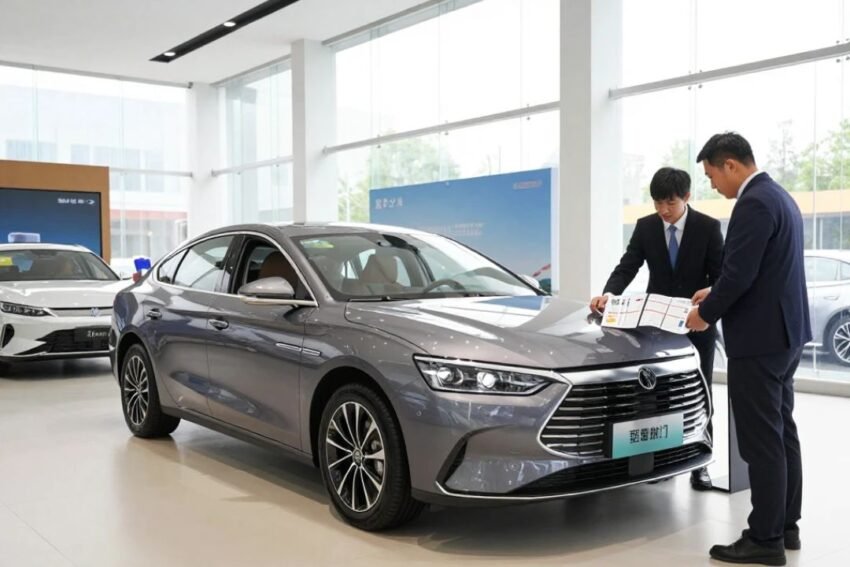
Introduction
Buying a car is one of the biggest financial decisions most people make. Whether you’re purchasing your first vehicle, upgrading to a newer model, or looking for a reliable family car, making the right choice requires careful planning and research. With hundreds of models, financing options, and features available, it’s easy to feel overwhelmed.
This comprehensive guide provides expert car buying tips to help you make a smart and informed decision. From setting a realistic budget to comparing features, inspecting the vehicle, and negotiating the best price, these practical strategies will help you buy the right car with confidence.
Why Planning Before Buying a Car Matters
Many buyers make the mistake of choosing a vehicle based solely on appearance or brand reputation. While these factors may be important, they shouldn’t be the only considerations.
Planning before buying a car helps you:
- Stay within your budget
- Avoid unnecessary expenses
- Choose a vehicle that fits your lifestyle
- Reduce long-term maintenance costs
- Increase resale value
- Make a financially responsible investment
A well-informed buyer is far less likely to experience buyer’s remorse.
Determine Your Budget First
The first step in any successful car purchase is setting a realistic budget.
Consider more than just the purchase price. Your total ownership cost includes:
- Insurance premiums
- Fuel expenses
- Registration fees
- Routine maintenance
- Repairs
- Taxes
- Loan interest (if financing)
Experts recommend keeping your monthly car expenses manageable so they don’t negatively affect your overall financial health.
Remember that buying a less expensive vehicle often leaves room in your budget for maintenance and unexpected repairs.
Decide Between a New or Used Car
One of the biggest decisions buyers face is choosing between a new or used vehicle.
Advantages of Buying a New Car
- Latest safety technology
- Manufacturer warranty
- Better fuel efficiency
- Modern infotainment systems
- No previous owner history
- Lower repair costs during early ownership
Disadvantages
- Higher purchase price
- Faster depreciation
- Higher insurance premiums
Advantages of Buying a Used Car
- Lower purchase price
- Slower depreciation
- Reduced insurance costs
- Better value for money
Disadvantages
- Possible repair needs
- Limited warranty
- Unknown maintenance history
- Older technology
If purchasing a used vehicle, always review its service records and inspect it carefully before making a decision.
Identify Your Driving Needs
Every buyer has different requirements.
Ask yourself:
- Will you mainly drive in the city?
- Do you travel long distances?
- Do you need extra cargo space?
- Is fuel economy important?
- Will you drive on rough roads?
- How many passengers do you regularly carry?
Answering these questions helps narrow your options.
For example:
- Compact cars are ideal for city driving.
- SUVs suit families and outdoor adventures.
- Pickup trucks work well for heavy-duty tasks.
- Electric vehicles reduce fuel expenses.
- Hybrid cars offer excellent fuel efficiency.
Research Different Car Models
Never purchase the first vehicle you see.
Compare multiple models by evaluating:
- Reliability ratings
- Fuel economy
- Engine performance
- Safety scores
- Interior comfort
- Technology features
- Maintenance costs
- Resale value
Reading professional reviews and owner feedback provides valuable insight into long-term reliability.
The more research you conduct, the better your final decision will be.
Compare Safety Features
Safety should always be a top priority.
Modern vehicles offer advanced safety technologies such as:
- Automatic Emergency Braking
- Blind Spot Monitoring
- Adaptive Cruise Control
- Lane Keeping Assist
- Rear Cross Traffic Alert
- Parking Sensors
- Backup Camera
- Electronic Stability Control
- Multiple Airbags
Families with children should prioritize vehicles with excellent crash-test ratings and comprehensive safety systems.
Check Fuel Economy
Fuel costs continue to affect vehicle ownership expenses.
Choose a vehicle with good fuel efficiency if you:
- Commute daily
- Drive long distances
- Want lower operating costs
Hybrid and electric vehicles offer excellent efficiency, while smaller gasoline engines generally consume less fuel than larger SUVs or trucks.
Always compare official fuel economy ratings before purchasing.
Understand Financing Options
Not everyone buys a car with cash.
If financing your purchase, compare:
- Interest rates
- Loan terms
- Monthly payments
- Down payment requirements
- Total loan cost
A lower monthly payment may seem attractive, but longer loan terms often result in paying significantly more interest over time.
Improve your credit score before applying for financing to qualify for better interest rates.
Take a Thorough Test Drive
A test drive is one of the most important steps in the buying process.
During the drive, evaluate:
- Seat comfort
- Driving position
- Steering response
- Brake performance
- Engine acceleration
- Cabin noise
- Suspension comfort
- Visibility
- Parking ease
- Technology usability
Drive under different road conditions whenever possible.
Never purchase a vehicle without experiencing how it feels on the road.
Inspect Used Cars Carefully
When buying a used vehicle, inspection is critical.
Check for:
- Rust
- Oil leaks
- Tire wear
- Brake condition
- Fluid levels
- Engine noises
- Smoke from exhaust
- Dashboard warning lights
- Accident damage
- Paint inconsistencies
Review maintenance records to verify regular servicing.
Hiring an independent mechanic for a pre-purchase inspection can save thousands of dollars in future repairs.
Check Vehicle History Reports
Vehicle history reports reveal important information including:
- Previous accidents
- Flood damage
- Title issues
- Odometer fraud
- Ownership history
- Service records
Avoid vehicles with major accident history or unresolved title problems.
A clean history report provides greater confidence in your purchase.
Compare Insurance Costs
Insurance premiums vary significantly between vehicles.
Factors affecting insurance include:
- Vehicle value
- Safety ratings
- Theft rates
- Repair costs
- Driver age
- Location
Request insurance quotes before making a final decision.
Sometimes a slightly less expensive vehicle can cost much more to insure.
Don’t Ignore Maintenance Costs
Some vehicles are inexpensive to purchase but expensive to maintain.
Research:
- Average repair costs
- Availability of spare parts
- Warranty coverage
- Service intervals
- Reliability ratings
Reliable vehicles generally cost less to own over the long term.
Negotiate the Best Price
Many buyers accept the first offer.
Experienced buyers negotiate by:
- Researching market prices
- Comparing multiple dealerships
- Identifying manufacturer incentives
- Requesting discounts
- Negotiating trade-in value separately
Remain patient during negotiations.
Walking away from a poor deal often results in better offers later.
Read Every Document Carefully
Before signing any paperwork:
- Verify the agreed price
- Review financing details
- Check warranty coverage
- Confirm additional fees
- Read all contract terms
Never sign documents you don’t fully understand.
Ask questions if anything appears unclear.
Consider Resale Value
Every vehicle eventually loses value.
Some brands retain their value better due to:
- Strong reliability
- Brand reputation
- Fuel efficiency
- Low maintenance costs
- High market demand
Choosing a vehicle with good resale value can save money when it’s time to upgrade.
Common Car Buying Mistakes to Avoid
Avoid these frequent mistakes:
- Buying based only on appearance
- Ignoring total ownership costs
- Skipping the test drive
- Failing to inspect used vehicles
- Not comparing financing offers
- Overlooking insurance expenses
- Buying without researching reliability
- Rushing the purchase
- Accepting the first price offered
- Ignoring warranty details
Learning from these mistakes helps ensure a successful purchase.
Expert Tips for First-Time Car Buyers
If you’re purchasing your first car:
- Set a firm budget.
- Prioritize reliability over luxury.
- Research multiple brands.
- Buy only what you truly need.
- Inspect every used vehicle carefully.
- Compare financing options.
- Test drive several models.
- Review insurance costs beforehand.
- Read customer reviews.
- Don’t rush into a decision.
Patience often leads to better deals and smarter purchases.
Future Trends in Car Buying
The automotive industry continues to evolve rapidly.
Future buyers will increasingly benefit from:
- Online vehicle purchasing
- Virtual showroom experiences
- AI-powered vehicle recommendations
- Electric vehicle expansion
- Subscription ownership models
- Improved autonomous driving technology
- Enhanced digital financing options
These innovations will make buying a vehicle faster, more convenient, and more transparent.
Conclusion
Buying a car is a significant investment that deserves careful consideration. By setting a budget, researching different models, understanding financing options, comparing safety features, checking fuel economy, inspecting vehicles thoroughly, and negotiating wisely, you can make a confident purchase that meets your needs and budget.
Whether you’re shopping for a brand-new vehicle or a dependable used car, informed decisions lead to greater satisfaction and lower ownership costs. Take your time, compare your options carefully, and never rush into a purchase. Following these expert car buying tips will help you drive away with a vehicle that provides reliability, value, comfort, and peace of mind for years to come.