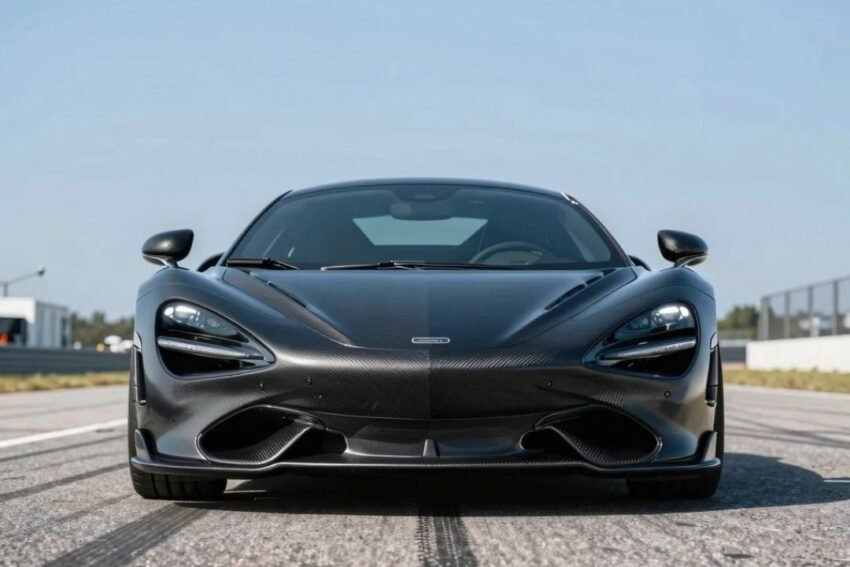
Introduction
The fastest sports cars of 2026 represent the cutting edge of automotive performance. Modern performance cars combine powerful engines, electric motors, advanced aerodynamics, lightweight materials, sophisticated suspension systems, high-performance tires, and intelligent software to deliver extraordinary acceleration and handling.
While traditional gasoline-powered sports cars remain popular, hybrid and electric technology are changing the performance landscape. Electric motors can provide immediate torque, while hybrid systems can combine instant electric assistance with powerful combustion engines.
Speed, however, is only one part of performance. A truly impressive sports car must also deliver strong braking, precise steering, excellent traction, aerodynamic stability, and responsive handling.
This guide explores the fastest sports cars and performance-car technologies to watch in 2026, including acceleration, top-speed engineering, hybrid performance, electric power, aerodynamics, braking systems, tires, suspension, and advanced technology.
What Makes a Sports Car Fast?
A fast sports car depends on several factors working together.
Key elements include:
- Engine power
- Electric motor output
- Torque
- Vehicle weight
- Aerodynamics
- Tires
- Transmission
- Gear ratios
- Traction
- Suspension
- Braking
- Software
Horsepower alone does not determine how quickly a car can accelerate or how fast it can travel.
Acceleration vs Top Speed
Two of the most common performance measurements are acceleration and top speed.
Acceleration
Acceleration measures how quickly a vehicle gains speed.
The 0–60 mph measurement is commonly used to compare performance cars.
Top Speed
Top speed represents the maximum speed a vehicle can reach under suitable conditions.
A car can have extremely quick acceleration without having the highest top speed.
1. Bugatti Chiron Super Sport
The Bugatti Chiron Super Sport represents the extreme end of road-car performance.
Its engineering focuses heavily on high-speed stability, aerodynamic efficiency, powerful engine output, and advanced construction.
Performance Characteristics
- Quad-turbocharged engine
- Extremely high power output
- Advanced aerodynamics
- Lightweight performance components
- High-speed stability systems
- Premium interior
It demonstrates how extreme engineering can push road-car performance toward extraordinary levels.
2. Koenigsegg Jesko Absolut
The Koenigsegg Jesko Absolut is designed with maximum-speed performance in mind.
Its aerodynamic development focuses heavily on reducing drag while maintaining stability.
Key Technologies
- Twin-turbocharged engine
- Advanced carbon-fiber construction
- Aerodynamic bodywork
- High-performance transmission
- Lightweight engineering
- Sophisticated power management
The Jesko Absolut represents one of the most extreme approaches to high-speed vehicle design.
3. Rimac Nevera
The Rimac Nevera demonstrates what electric power can achieve in a high-performance vehicle.
Multiple electric motors provide instant torque and sophisticated control over power delivery.
Highlights
- Fully electric powertrain
- Multiple electric motors
- Instant torque
- Advanced torque vectoring
- High-performance battery
- Sophisticated electronic controls
Electric propulsion allows performance engineers to control individual wheels with remarkable precision.
4. McLaren 750S
The McLaren 750S focuses on lightweight construction and high-performance driving dynamics.
McLaren’s approach emphasizes the relationship between power, weight, aerodynamics, and handling.
Key Features
- Twin-turbocharged engine
- Lightweight construction
- Advanced suspension
- Aerodynamic design
- Performance-focused cockpit
The 750S demonstrates that reducing weight can be just as important as increasing engine output.
5. Ferrari 296 GTB
The Ferrari 296 GTB combines a turbocharged gasoline engine with an electric motor.
This hybrid architecture provides strong performance while introducing electrification into a high-performance sports-car platform.
Highlights
- Plug-in hybrid powertrain
- Turbocharged V6 engine
- Electric motor
- Advanced chassis technology
- Aerodynamic design
- Driver-focused interior
The 296 GTB demonstrates how hybrid technology can be used to increase performance rather than simply improve efficiency.
6. Ferrari SF90 Stradale
The Ferrari SF90 Stradale is another example of a high-performance hybrid sports car.
It combines a powerful gasoline engine with electric motors.
Key Technologies
- Plug-in hybrid system
- Multiple electric motors
- Advanced traction management
- Performance driving modes
- Sophisticated aerodynamics
Its powertrain demonstrates how electric assistance can complement traditional engine performance.
7. Lamborghini Revuelto
The Lamborghini Revuelto represents a new generation of high-performance hybrid vehicles.
It combines a high-performance gasoline engine with electric motors.
Features
- Plug-in hybrid technology
- High-performance V12 engine
- Multiple electric motors
- Advanced all-wheel drive
- Aggressive aerodynamics
- Digital cockpit
The combination of traditional engine character and electrification makes it particularly interesting.
8. Porsche 911 Turbo S
The Porsche 911 Turbo S is designed to combine exceptional acceleration with everyday usability.
Its all-wheel-drive system helps deliver power efficiently to the road.
Key Benefits
- Twin-turbocharged engine
- All-wheel drive
- Advanced transmission
- High-performance brakes
- Sophisticated chassis
- Premium interior
The 911 Turbo S demonstrates how high performance can coexist with practical usability.
9. Chevrolet Corvette ZR1
The Corvette ZR1 represents an extreme performance direction for the Corvette family.
It combines a highly powerful engine with performance-focused chassis and aerodynamic technology.
Highlights
- High-output engine
- Advanced cooling
- Performance brakes
- Aerodynamic components
- High-performance tires
- Track-oriented engineering
The ZR1 demonstrates how American performance engineering can compete at the highest levels.
10. Aston Martin Valhalla
The Aston Martin Valhalla represents a modern hybrid performance approach.
Its design focuses on combining high output with advanced aerodynamics and lightweight construction.
Key Features
- Hybrid powertrain
- High-performance engine
- Electric assistance
- Advanced aerodynamics
- Lightweight components
- Luxury-focused interior
Why Electric Cars Can Be Extremely Fast
Electric motors have a major performance advantage: instant torque.
A gasoline engine usually needs to build power through its rev range.
An electric motor can deliver substantial torque almost immediately.
This can produce:
- Rapid acceleration
- Immediate throttle response
- Strong low-speed performance
- Precise power control
However, high-speed performance also depends on aerodynamics, battery output, cooling, gearing, and vehicle weight.
Hybrid Technology and Speed
Hybrid powertrains combine two forms of propulsion.
A typical performance hybrid can use:
Gasoline engine + electric motor + battery + intelligent control software
The electric motor can provide additional torque while the combustion engine provides sustained power.
This combination can create impressive acceleration.
Importance of Power-to-Weight Ratio
Power-to-weight ratio is one of the most important performance measurements.
A lighter car requires less energy to accelerate.
Weight reduction can also improve:
- Braking
- Cornering
- Steering response
- Tire performance
- Efficiency
This is why performance manufacturers invest heavily in carbon fiber, aluminum, and other lightweight materials.
Aerodynamics and High-Speed Performance
At high speeds, aerodynamic forces become extremely important.
Sports cars use aerodynamic design to control airflow.
Important components include:
- Front splitters
- Rear wings
- Diffusers
- Air channels
- Underbody panels
- Active aerodynamic systems
Some high-performance cars can automatically adjust aerodynamic components according to speed and driving conditions.
Downforce vs Drag
Downforce helps keep the car stable against the road.
However, generating more downforce can increase aerodynamic drag.
High-speed sports-car designers therefore need to find the right balance.
More Downforce
Can improve:
- Cornering
- Stability
- High-speed grip
Less Drag
Can improve:
- Top speed
- Efficiency
- Straight-line performance
The ideal aerodynamic setup depends on the vehicle’s purpose.
High-Performance Tires
Tires are critical to sports-car performance.
High-performance tires provide increased grip for:
- Acceleration
- Cornering
- Braking
However, specialized performance tires can be expensive and may wear faster.
Tire temperature and road conditions can also significantly influence grip.
Advanced Braking Systems
Fast cars need powerful brakes.
Performance braking systems can include:
- Large brake discs
- Multi-piston calipers
- High-performance pads
- Advanced cooling
- Carbon-ceramic brakes
Strong brakes allow drivers to reduce speed effectively after high-speed acceleration.
Carbon-Ceramic Brakes
Carbon-ceramic brakes are used on some high-performance vehicles.
Potential advantages include:
- High heat resistance
- Lower unsprung weight
- Strong repeated braking performance
- Reduced brake fade
However, replacement costs can be substantial.
Advanced Suspension Technology
Modern performance cars use sophisticated suspension systems.
These can include:
- Adaptive dampers
- Adjustable suspension
- Active suspension
- Electronic controls
- Performance driving modes
Advanced suspension allows manufacturers to balance comfort and performance.
Torque Vectoring
Torque vectoring controls how power is distributed between wheels.
This can improve:
- Cornering
- Traction
- Stability
- Acceleration
Electric vehicles can use individual motors to provide extremely precise torque control.
All-Wheel Drive
All-wheel drive can help powerful cars transfer torque to the road.
This can be particularly useful for high-output vehicles.
Modern systems can electronically adjust torque distribution depending on traction and driving conditions.
Advanced Performance Transmissions
Transmission technology also influences acceleration.
Modern performance vehicles can use:
- Dual-clutch transmissions
- Advanced automatic transmissions
- Multi-speed electric transmissions
- Manual transmissions in selected models
Fast automatic and dual-clutch systems can perform extremely rapid gear changes.
Cooling and Thermal Management
High-performance vehicles generate substantial heat.
Engineers need to manage temperatures for:
- Engines
- Motors
- Batteries
- Brakes
- Transmissions
Advanced cooling systems can include larger radiators, dedicated cooling circuits, airflow channels, and sophisticated thermal controls.
Battery Cooling in Electric Sports Cars
Battery temperature is particularly important for electric performance.
Extreme acceleration and fast charging can generate heat.
Advanced battery cooling systems help maintain appropriate operating temperatures.
Effective thermal management can support:
- Performance
- Charging
- Battery durability
- Consistent power delivery
Lightweight Carbon Fiber
Carbon fiber is widely used in high-performance vehicles.
It offers a high strength-to-weight ratio.
Manufacturers can use carbon fiber for:
- Body panels
- Chassis components
- Seats
- Aerodynamic parts
- Wheels
Reducing weight can improve overall performance.
AI and Performance Software
Modern sports cars rely heavily on software.
AI and advanced algorithms can support:
- Traction control
- Torque distribution
- Energy management
- Driving modes
- Navigation
- Vehicle monitoring
Software allows performance systems to react quickly to changing conditions.
Launch Control
Many high-performance cars use launch-control systems.
Launch control coordinates:
- Engine or motor output
- Transmission
- Traction
- Wheel slip
The objective is to maximize acceleration from a standstill.
Drivers should only use high-performance acceleration features in appropriate controlled environments.
Performance Driving Modes
Sports cars may offer different driving modes.
Examples include:
- Comfort
- Sport
- Track
- Race
- Individual
These settings can change throttle response, transmission behavior, suspension, steering, traction control, and other systems.
Digital Performance Displays
Modern sports cars can display performance information such as:
- Speed
- Engine rpm
- G-force
- Lap times
- Tire information
- Power output
- Battery status
This information can help drivers understand vehicle performance.
Best Sports Cars for Everyday Driving
The fastest sports car is not always the best daily vehicle.
For everyday use, consider:
- Ride comfort
- Visibility
- Reliability
- Cargo space
- Fuel economy
- Insurance
- Maintenance
Vehicles such as the Porsche 911 demonstrate how performance and everyday usability can coexist.
Best Sports Cars for Track Driving
Track-focused drivers should prioritize:
- Brakes
- Cooling
- Tires
- Suspension
- Aerodynamics
- Weight
- Seat support
A vehicle designed for the track may sacrifice comfort for performance.
Track driving should always take place at an appropriate closed-course facility.
Fast Sports Cars vs Supercars
Sports cars and supercars overlap, but they are not identical categories.
Sports Cars
Generally focus on:
- Handling
- Driver engagement
- Performance
- Everyday usability
Supercars
Often focus on:
- Extreme acceleration
- Very high performance
- Exotic materials
- Advanced aerodynamics
- Exclusive design
Some modern vehicles blur the line between these categories.
What Makes a Car Feel Fast?
A car can feel extremely fast even if its top speed is not the highest.
Factors include:
- Acceleration
- Engine sound
- Steering response
- Low seating position
- Road feedback
- Gear changes
- Exhaust sound
- Electric torque
The driver’s perception of speed is therefore influenced by more than numbers.
Cost of Owning a High-Performance Car
Fast sports cars can be expensive to own.
Potential costs include:
- Insurance
- Fuel
- Tires
- Brake components
- Maintenance
- Repairs
- Depreciation
High-performance exotic cars can have particularly expensive parts and servicing.
How to Choose a Fast Sports Car
1. Define Your Performance Goal
Decide whether you care most about:
- Acceleration
- Top speed
- Handling
- Track performance
- Luxury
2. Set a Budget
Include ownership costs, not just the purchase price.
3. Choose a Powertrain
Compare gasoline, hybrid, and electric performance.
4. Evaluate Handling
Look beyond horsepower and check suspension, tires, brakes, and drivetrain.
5. Consider Practicality
Determine whether the vehicle can fit your lifestyle.
6. Check Insurance Costs
Performance cars can have higher insurance premiums.
7. Test Drive Responsibly
Experience the steering, brakes, suspension, seating position, and power delivery under legal and safe conditions.
Frequently Asked Questions
What is the fastest sports car in 2026?
The answer depends on whether you mean production top speed, acceleration, or another performance measurement. Extreme hypercars such as the Bugatti Chiron Super Sport and Koenigsegg Jesko Absolut represent the highest levels of high-speed engineering.
Are electric sports cars faster than gasoline sports cars?
Electric vehicles can offer exceptionally rapid acceleration because electric motors provide immediate torque. Gasoline-powered vehicles may still have advantages in areas such as weight, sustained high-speed performance, and traditional driving character.
Are hybrid sports cars fast?
Yes. Hybrid systems can add electric torque to gasoline engines and provide sophisticated power management.
Is horsepower the most important factor?
No. Weight, traction, tires, aerodynamics, gearing, suspension, and braking are all important.
Why are lightweight cars often faster?
Lower weight means the powertrain has less mass to accelerate, and the vehicle can also benefit from improved braking and handling.
Are fast sports cars expensive to maintain?
They can be. Performance tires, brakes, fluids, specialized components, insurance, and repairs can cost significantly more than those for ordinary cars.
Can I safely drive a sports car at its maximum speed?
High-speed driving should never be attempted on public roads. Maximum-speed testing belongs on appropriate closed courses or controlled facilities operated under suitable safety conditions.
Conclusion
The fastest sports cars of 2026 showcase some of the most advanced engineering in the automotive world. From extreme gasoline-powered hypercars to sophisticated hybrid performance vehicles and powerful electric machines, manufacturers are finding new ways to increase acceleration, top speed, handling, and efficiency.
Models such as the Bugatti Chiron Super Sport, Koenigsegg Jesko Absolut, Rimac Nevera, McLaren 750S, Ferrari 296 GTB, Ferrari SF90 Stradale, Lamborghini Revuelto, Porsche 911 Turbo S, Chevrolet Corvette ZR1, and Aston Martin Valhalla demonstrate different approaches to extreme performance.
Electric power is particularly transformative. Instant torque and sophisticated motor control allow electric vehicles to deliver remarkable acceleration. Hybrid systems offer another approach by combining electric assistance with powerful combustion engines.
However, speed is only one part of the equation. Aerodynamics, tires, brakes, suspension, weight, cooling, drivetrain configuration, and software all determine how effectively a sports car performs.
Lightweight construction is especially important. Carbon fiber, aluminum, and advanced materials can reduce weight, improving acceleration, braking, and cornering. Meanwhile, active aerodynamics and torque-vectoring systems help modern performance cars remain stable and controllable.
Technology is also becoming central to sports-car performance. Advanced software can manage traction, torque distribution, driving modes, battery power, and thermal systems in real time.
For everyday buyers, the fastest car may not be the best choice. Practicality, comfort, reliability, insurance, maintenance, and operating costs should also be considered.
Ultimately, the most exciting sports cars are those that combine speed, precision, technology, engineering, and driver engagement.
As electric motors, hybrid systems, advanced batteries, AI-powered software, lightweight materials, and aerodynamic technology continue developing, the performance cars of the future are likely to become even faster and more sophisticated.
The future of sports cars is not simply about achieving higher top speeds. It is about creating vehicles that can deliver exceptional acceleration, precise handling, intelligent performance, and an unforgettable driving experience.