Introduction
Electric mobility is transforming the way people travel, making transportation cleaner, smarter, and more efficient than ever before. As governments implement stricter emissions regulations and consumers increasingly prioritize sustainability, electric mobility has become one of the fastest-growing sectors in the global automotive industry. From electric cars and buses to e-bikes and delivery vehicles, innovations in electric mobility are reshaping urban transportation and reducing dependence on fossil fuels.
Advancements in battery technology, artificial intelligence (AI), connected vehicles, and charging infrastructure are driving this transformation. Leading automakers and technology companies continue to invest billions of dollars in research and development, introducing next-generation electric vehicles (EVs) with improved performance, longer driving ranges, and intelligent features.
This article explores the latest electric mobility trends and innovations, highlighting the technologies, benefits, challenges, and future developments that are shaping the future of transportation.
What Is Electric Mobility?
Electric mobility refers to transportation powered by electricity instead of traditional gasoline or diesel fuels. It includes a wide range of vehicles and mobility solutions designed to reduce emissions, improve energy efficiency, and support sustainable urban development.
Electric mobility includes:
- Electric cars
- Electric SUVs
- Electric motorcycles
- Electric scooters
- Electric bicycles (e-bikes)
- Electric buses
- Electric trucks
- Commercial delivery vehicles
- Shared electric mobility services
As battery technology advances and charging networks expand, electric mobility is becoming more practical and accessible for both individuals and businesses.
Why Electric Mobility Is Growing Rapidly
Several factors are accelerating the global shift toward electric transportation.
Environmental Awareness
Reducing greenhouse gas emissions has become a global priority. Electric vehicles produce zero tailpipe emissions, helping improve air quality and combat climate change.
Government Support
Many governments encourage EV adoption through:
- Purchase incentives
- Tax credits
- Registration discounts
- Investment in charging infrastructure
- Emission reduction policies
These initiatives are making electric mobility more affordable and attractive.
Rising Fuel Prices
The increasing cost of gasoline and diesel fuels has encouraged consumers to consider electric alternatives that offer lower operating costs.
Technological Advancements
Continuous innovation in batteries, software, and charging systems has made electric vehicles more reliable, efficient, and user-friendly.
Battery Technology Innovations
Battery technology remains the foundation of electric mobility. Recent innovations have significantly improved EV performance and practicality.
Higher Energy Density
Modern batteries can store more energy while remaining compact and lightweight. This allows vehicles to travel longer distances without increasing battery size.
Faster Charging
Ultra-fast charging systems are reducing charging times dramatically. Many new EVs can now recover a substantial portion of their battery capacity in less than 30 minutes using high-speed charging stations.
Solid-State Batteries
Solid-state batteries are expected to revolutionize electric mobility by offering:
- Longer driving range
- Improved safety
- Faster charging
- Greater energy efficiency
- Extended battery lifespan
- Better performance in extreme temperatures
Many manufacturers are actively developing this next-generation battery technology.
Expansion of Charging Infrastructure
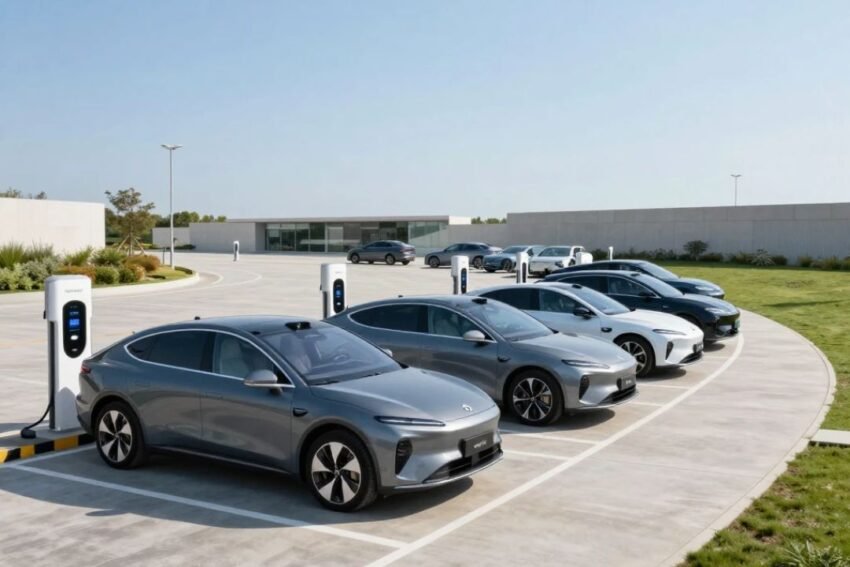
Reliable charging infrastructure is essential for widespread EV adoption. Significant investments are expanding charging networks worldwide.
Key developments include:
- Public fast-charging stations
- Ultra-fast highway charging hubs
- Residential home charging solutions
- Workplace charging facilities
- Smart charging networks
- Solar-powered charging stations
Improved accessibility helps eliminate range anxiety and makes electric mobility more convenient.
Smart Charging Technology
Charging systems are becoming increasingly intelligent.
Smart charging enables:
- Automatic charging during off-peak electricity hours
- Reduced energy costs
- Better grid management
- Mobile app control
- Remote charging monitoring
- Optimized battery health
These technologies improve efficiency while lowering operating expenses.
Artificial Intelligence in Electric Mobility
Artificial intelligence is playing an increasingly important role in electric transportation.
AI-powered systems help optimize:
- Battery management
- Energy consumption
- Route planning
- Traffic prediction
- Charging station recommendations
- Driver assistance
- Predictive maintenance
These intelligent features improve both convenience and vehicle efficiency.
Connected Electric Vehicles
Modern EVs are becoming fully connected digital platforms.
Connected technologies include:
- Over-the-air software updates
- Smartphone integration
- Cloud-based navigation
- Vehicle diagnostics
- Remote climate control
- Digital key access
- Real-time traffic updates
Software improvements can introduce new features without requiring dealership visits, extending the value of the vehicle over time.
Autonomous Driving Innovations
Electric vehicles are leading the development of autonomous driving technologies.
Future innovations include:
- Adaptive cruise control
- Automatic lane changing
- Self-parking systems
- Collision avoidance
- Traffic jam assistance
- Pedestrian detection
- Driver monitoring
Although fully autonomous vehicles are still evolving, advanced driver-assistance systems are becoming standard in many EVs.
Growth of Electric Public Transportation
Electric mobility extends beyond personal vehicles.
Cities around the world are investing in:
- Electric buses
- Electric trains
- Electric taxis
- Shared electric scooters
- Bike-sharing systems
These solutions help reduce urban congestion, improve air quality, and lower transportation costs.
Public transportation powered by electricity is becoming an essential component of smart city development.
Commercial Electric Vehicles
Businesses are increasingly adopting electric commercial fleets to reduce operating expenses and meet sustainability goals.
Popular commercial EVs include:
- Delivery vans
- Cargo trucks
- Logistics vehicles
- Municipal service vehicles
- Ride-sharing fleets
Electric commercial transportation offers lower fuel costs, reduced maintenance, and compliance with environmental regulations.
Vehicle-to-Grid (V2G) Technology
Vehicle-to-grid technology allows electric vehicles to supply electricity back to the power grid when demand is high.
Benefits include:
- Improved grid stability
- Better renewable energy integration
- Lower electricity costs
- Additional income opportunities for EV owners
- Efficient energy storage
V2G technology may become a major part of future energy management systems.
Renewable Energy and Electric Mobility
Electric mobility works best when combined with renewable energy.
Many EV owners now charge their vehicles using:
- Solar energy
- Wind power
- Hydroelectric energy
This combination significantly reduces carbon emissions while promoting sustainable transportation.
Home solar charging systems are becoming increasingly popular among environmentally conscious consumers.
Sustainability in EV Manufacturing
Automakers are working to make vehicle production more environmentally friendly.
Innovations include:
- Battery recycling programs
- Sustainable raw material sourcing
- Recycled interior materials
- Low-carbon manufacturing processes
- Renewable energy-powered factories
These efforts reduce the environmental impact of vehicle production throughout the supply chain.
Benefits of Electric Mobility
Electric mobility offers numerous advantages for consumers, businesses, and the environment.
Lower Operating Costs
Electricity generally costs less than gasoline, reducing daily transportation expenses.
Reduced Maintenance
Electric vehicles have fewer moving parts, eliminating the need for oil changes and reducing mechanical repairs.
Environmental Protection
Zero tailpipe emissions contribute to cleaner air and reduced greenhouse gas emissions.
Improved Driving Experience
Electric motors provide:
- Instant acceleration
- Quiet operation
- Smooth performance
- Enhanced driving comfort
Advanced Technology
Most EVs feature cutting-edge software, digital connectivity, and intelligent safety systems.
Challenges Facing Electric Mobility
Despite rapid progress, several challenges remain.
Charging Availability
Some regions still require additional public charging stations to support growing EV adoption.
Battery Material Supply
Increasing demand for lithium, nickel, cobalt, and rare earth materials requires sustainable sourcing and improved recycling.
Initial Purchase Cost
Although prices are declining, some electric vehicles remain more expensive than comparable gasoline-powered models.
Electrical Grid Capacity
Expanding EV adoption requires continued investment in electricity generation and grid infrastructure.
Addressing these challenges will help accelerate the global transition to electric mobility.
Future Trends in Electric Mobility
The coming decade will bring exciting innovations that further transform transportation.
Emerging trends include:
- Solid-state battery commercialization
- Wireless charging technology
- AI-powered autonomous vehicles
- Smart charging ecosystems
- Expanded electric truck adoption
- Hydrogen-electric hybrid solutions
- Advanced battery recycling
- Connected smart cities
- Increased renewable energy integration
- Affordable mass-market EVs
These advancements will make electric transportation more efficient, accessible, and sustainable.
Why Consumers Should Consider Electric Mobility
For many drivers, electric mobility offers an excellent combination of performance, technology, and long-term savings.
Consumers benefit from:
- Lower fuel costs
- Reduced maintenance
- Environmentally friendly transportation
- Government incentives
- Modern safety technologies
- Advanced digital features
- Comfortable driving experience
As charging networks continue to expand and vehicle prices become more competitive, electric mobility will become the preferred transportation choice for millions of people worldwide.
Conclusion
Electric mobility is revolutionizing transportation by combining sustainability, innovation, and advanced technology. Improvements in battery performance, charging infrastructure, artificial intelligence, connected vehicles, and renewable energy integration are making electric transportation more practical than ever before.
While challenges such as infrastructure expansion, battery material sourcing, and grid modernization remain, continuous investment and technological breakthroughs are accelerating the transition toward cleaner mobility. Governments, manufacturers, and consumers all play a crucial role in driving this transformation.
As electric mobility continues to evolve, it promises a future with lower emissions, smarter transportation systems, reduced operating costs, and enhanced driving experiences. Whether through personal vehicles, commercial fleets, or public transportation, electric mobility is shaping a cleaner, more connected, and more sustainable future for generations to come.