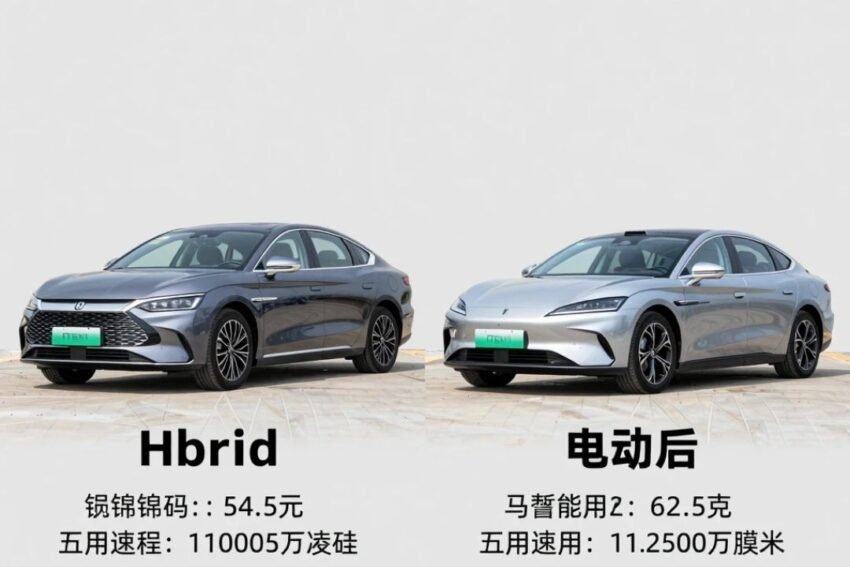
Introduction
Choosing between a hybrid vs electric car in 2026 can be difficult because both technologies offer advantages over traditional gasoline vehicles. Hybrid cars combine a gasoline engine with an electric motor, while fully electric vehicles rely entirely on battery power.
The right choice depends on several factors, including driving habits, budget, charging access, fuel prices, maintenance needs, range requirements, and personal preferences.
Electric vehicles are becoming increasingly advanced, with improvements in battery technology, charging speed, software, and driving range. At the same time, hybrid cars remain attractive because they can reduce gasoline consumption without requiring regular external charging.
In this guide, we compare hybrid and electric cars, including how they work, costs, fuel economy, maintenance, charging, performance, environmental impact, reliability, and which option may be better for different drivers in 2026.
What Is a Hybrid Car?
A hybrid car uses both a gasoline engine and an electric motor.
The vehicle’s battery stores electrical energy, while the gasoline engine provides additional power when needed.
A traditional hybrid generally does not need to be plugged into an external charger. The battery can be recharged through regenerative braking and energy generated by the vehicle’s powertrain.
Hybrid cars can offer:
- Improved fuel economy
- Reduced gasoline consumption
- Electric assistance
- Regenerative braking
- Long-distance flexibility
- Conventional gasoline refueling
What Is an Electric Car?
A fully electric vehicle, commonly called an EV, uses electricity as its primary energy source.
Instead of a gasoline engine, an EV typically has:
- Electric motor
- Large battery pack
- Power electronics
- Charging system
The battery is charged using an external power source.
EVs produce no tailpipe emissions while driving because they do not burn gasoline.
Hybrid vs Electric: Quick Comparison
| Feature | Hybrid Car | Electric Car |
|---|---|---|
| Gasoline engine | Yes | No |
| Electric motor | Yes | Yes |
| External charging | Usually no | Yes |
| Gasoline required | Yes | No |
| Tailpipe emissions | Yes | No |
| Charging time | Not normally applicable | Varies by charger and vehicle |
| Long-distance refueling | Gas station | Charging network |
| Battery size | Smaller | Larger |
| Engine maintenance | Yes | No gasoline engine maintenance |
| Driving experience | Electric + gasoline | Fully electric |
Both options can reduce dependence on traditional gasoline vehicles, but they provide very different ownership experiences.
How Hybrid Cars Work
Hybrid systems automatically manage gasoline and electric power.
During low-speed or light-load driving, the electric motor may provide some or all of the propulsion depending on the hybrid design.
When additional power is required, the gasoline engine can start and work together with the electric motor.
During braking, the electric motor can operate as a generator and recover some kinetic energy.
That energy is stored in the battery and can later be used to assist the vehicle.
This process is known as regenerative braking.
How Electric Cars Work
An EV uses electricity stored in a battery to power an electric motor.
When the driver accelerates, electrical energy flows from the battery to the motor.
The motor converts electrical energy into mechanical power that turns the wheels.
EVs also commonly use regenerative braking to recover some energy during deceleration.
Because there is no gasoline engine, EVs have fewer moving mechanical components in the propulsion system.
Fuel Economy vs Energy Efficiency
One of the biggest differences between hybrids and EVs is how they use energy.
A hybrid still depends on gasoline, although electric assistance can significantly reduce fuel consumption compared with some conventional vehicles.
An EV uses electricity instead of gasoline.
The total energy efficiency of an EV depends on factors such as:
- Vehicle design
- Battery efficiency
- Driving speed
- Weather
- Heating and cooling
- Driving style
- Electricity source
For consumers focused on reducing gasoline consumption, EVs have a major advantage because they do not require gasoline for normal operation.
Hybrid vs Electric Car Cost
Purchase price is an important consideration.
Some EVs can have higher upfront prices because of their large battery packs, although pricing varies widely by model.
Hybrid vehicles can also cost more than comparable gasoline-only vehicles because of their additional electric components.
When comparing prices, buyers should consider total ownership costs rather than focusing only on the sticker price.
These costs can include:
- Purchase price
- Financing
- Insurance
- Fuel
- Electricity
- Maintenance
- Repairs
- Tires
- Depreciation
Fuel Costs
Hybrid cars still require gasoline.
However, a fuel-efficient hybrid can reduce gasoline consumption compared with a conventional gasoline vehicle.
EV owners primarily pay for electricity.
Home charging can be convenient and may offer predictable energy costs, while public charging prices vary depending on the provider and location.
Maintenance Costs
Hybrid vehicles still have gasoline engines, so they require maintenance such as:
- Engine oil changes
- Filters
- Cooling-system service
- Brake inspections
- Engine-related maintenance
EVs generally have fewer traditional drivetrain components.
They do not require:
- Engine oil changes
- Spark plugs
- Traditional exhaust-system maintenance
- Conventional engine-related services
However, EVs still require tire service, brake inspections, suspension maintenance, cabin filters, and other routine work.
Hybrid Battery Maintenance
Hybrid batteries are designed to operate for many years.
The battery is generally managed automatically by the vehicle.
Battery life depends on:
- Vehicle design
- Battery chemistry
- Climate
- Driving conditions
- Age
- Usage
A hybrid battery may eventually need replacement, but drivers should not automatically assume that it will fail early.
EV Battery Life
EV batteries are also designed for long-term use.
Manufacturers use sophisticated battery-management systems to monitor temperature, charging, and energy flow.
Battery degradation can occur over time, meaning the maximum driving range may gradually decrease.
Factors affecting battery health include:
- Battery chemistry
- Temperature
- Charging habits
- Vehicle design
- Usage
- Age
Buyers should review the manufacturer’s battery warranty when considering an EV.
Charging: Hybrid vs EV
Charging is one of the biggest practical differences.
Hybrid
A traditional hybrid usually does not require external charging.
This means you can refuel at a gasoline station and continue driving without planning charging stops.
Electric Vehicle
An EV must be charged externally.
Charging options may include:
- Home charging
- Workplace charging
- Public AC charging
- DC fast charging
Home charging can be particularly convenient because the vehicle can charge while parked.
Is EV Charging Convenient?
Charging convenience depends heavily on where you live and how you drive.
EV ownership can be very convenient if you have access to reliable home or workplace charging.
It can be less convenient for people who:
- Live in apartments without charging
- Frequently take long road trips
- Have limited access to public chargers
- Depend on unreliable charging locations
The charging network is continuing to expand, but coverage and reliability can vary by region.
Driving Range
Range is another important factor.
Hybrid vehicles can typically continue driving as long as fuel is available because the gasoline engine provides long-distance capability.
EV range depends on the vehicle’s battery capacity and efficiency.
Driving conditions can also affect EV range.
Factors include:
- Highway speed
- Cold weather
- Heat
- Air conditioning
- Heating
- Hills
- Payload
- Driving style
Buyers should consider their real-world driving requirements instead of relying only on advertised range.
Hybrid vs Electric Performance
Electric vehicles can provide strong acceleration because electric motors produce immediate torque.
Many EVs therefore feel quick and responsive.
Hybrid vehicles can also offer strong performance because electric motors can work alongside gasoline engines.
Performance depends on the specific vehicle rather than the powertrain category alone.
Which Is Better for City Driving?
Both hybrids and EVs can work well in cities.
Hybrid Advantages
Hybrid vehicles can benefit from:
- Regenerative braking
- Electric assistance
- Frequent stop-and-go operation
- No regular charging requirement
EV Advantages
EVs can provide:
- Quiet operation
- Smooth acceleration
- No gasoline use
- Strong low-speed torque
- Simple one-pedal driving on compatible models
If home charging is available, an EV can be especially convenient for daily city commuting.
Which Is Better for Highway Driving?
Both can work well on highways, but their advantages differ.
A hybrid can be convenient for long trips because refueling at a gasoline station is usually quick.
An EV can also be excellent for highway travel, but long trips require charging planning.
Fast-charging capability and charging-network availability therefore become important.
Hybrid vs Electric for Road Trips
For frequent road-trippers, hybrids can offer a major convenience advantage because gasoline stations are widely available.
EVs are increasingly capable of long-distance travel, but drivers need to consider:
- Charging locations
- Charging speed
- Weather
- Traffic
- Route planning
- Charger availability
If you regularly travel long distances through areas with limited charging infrastructure, a hybrid may be easier to manage.
Environmental Impact
EVs have no tailpipe emissions.
However, their overall environmental impact also depends on battery manufacturing and the electricity used to charge them.
Hybrids still burn gasoline and therefore produce tailpipe emissions.
Nevertheless, using less gasoline than a comparable conventional vehicle can reduce operational emissions.
The environmental advantages of either technology depend on the full lifecycle, including manufacturing, energy use, and recycling.
Hybrid vs Electric Reliability
Both technologies can be reliable when properly designed and maintained.
EVs have fewer moving components in the propulsion system, which can reduce certain types of mechanical maintenance.
Hybrids have more complex powertrains because they combine gasoline and electric systems.
However, modern hybrid technology has been used for many years, and many hybrid models have established reliability records.
When buying, research the reliability of the specific model rather than assuming one technology is always better.
Safety Differences
Modern hybrids and EVs can include advanced safety systems such as:
- Automatic emergency braking
- Lane-departure warning
- Blind-spot monitoring
- Adaptive cruise control
- Driver monitoring
- Parking assistance
Vehicle safety depends on the individual model, its engineering, crash performance, and available safety technology.
EV Battery Safety
EV manufacturers use battery-management systems and protective structures to reduce battery-related risks.
High-voltage systems require specialized repair procedures.
Consumers should follow manufacturer instructions regarding charging, damage, and maintenance.
Hybrid vs Electric for Families
Families should focus on practical needs.
Important considerations include:
- Passenger space
- Cargo capacity
- Child-seat compatibility
- Range
- Charging access
- Safety
- Ownership costs
A hybrid SUV may be attractive to families who frequently take long trips.
An electric SUV can be excellent for families with convenient home charging and predictable daily driving.
Hybrid vs Electric for Commuters
Daily commuters may benefit significantly from either technology.
A hybrid can reduce gasoline use without requiring charging.
An EV can provide convenient home charging and low day-to-day energy consumption for many drivers.
The best choice depends on commute length and charging availability.
Hybrid vs Electric in Cold Weather
Cold weather can affect both technologies.
Hybrid vehicles can experience reduced fuel economy in cold conditions.
EVs can experience reduced driving range because cold temperatures affect battery performance and heating systems consume additional energy.
Drivers in cold climates should consider winter efficiency when choosing a vehicle.
Hybrid vs Electric in Hot Weather
High temperatures can also affect vehicle systems.
Modern vehicles use thermal-management systems to control battery temperature.
EV owners should pay attention to charging and battery-management recommendations in extreme heat.
Hybrid vehicles can also use cooling systems to manage battery and engine temperatures.
Which Is Better for You?
The best choice depends on your priorities.
Choose a Hybrid If You:
- Want better fuel economy
- Do not have reliable charging access
- Frequently take long road trips
- Prefer quick gasoline refueling
- Want electric assistance without fully switching to EVs
Choose an EV If You:
- Have convenient charging
- Want to stop using gasoline
- Prefer quiet electric driving
- Drive predictable daily distances
- Want a fully electric powertrain
- Are comfortable planning charging on long trips
Plug-In Hybrid: The Middle Ground
A plug-in hybrid can offer characteristics of both technologies.
It typically has a larger battery than a conventional hybrid and can be charged externally.
For shorter trips, drivers may be able to use electric power.
For longer journeys, the gasoline engine provides additional range.
PHEVs can be attractive for drivers who have charging access but still want gasoline-powered flexibility.
Future of Hybrid Cars in 2026
Hybrid technology remains important as automakers respond to changing consumer preferences.
Manufacturers are developing more hybrid SUVs, pickups, sedans, and crossovers.
Improved batteries and smarter software may make hybrid systems increasingly efficient.
The future automotive market is likely to include a mixture of:
- Hybrids
- Plug-in hybrids
- Battery-electric vehicles
- Efficient gasoline vehicles
Future of Electric Cars in 2026
EV technology is also advancing quickly.
Key areas of development include:
- Faster charging
- Improved batteries
- Longer range
- Better software
- Advanced driver assistance
- More affordable models
- Expanded charging infrastructure
These improvements could make EV ownership increasingly convenient.
Hybrid vs Electric: Pros and Cons
Hybrid Pros
- No regular charging required
- Excellent fuel economy in many models
- Convenient long-distance travel
- Familiar gasoline refueling
- Electric assistance
- Growing model selection
Hybrid Cons
- Still uses gasoline
- Produces tailpipe emissions
- More complex powertrain
- Battery replacement can be expensive
- Engine maintenance remains necessary
EV Pros
- No tailpipe emissions
- No gasoline required
- Quiet driving
- Instant electric torque
- Fewer traditional drivetrain components
- Convenient home charging for many owners
EV Cons
- Requires external charging
- Charging time is longer than gasoline refueling
- Range can vary with weather and driving conditions
- Public charging access varies
- Battery-related repairs can be expensive
Cost of Ownership: What Matters Most?
The cheapest vehicle to own is not always the cheapest vehicle to purchase.
Consumers should calculate expected ownership costs over several years.
Consider:
Purchase price + financing + energy costs + maintenance + insurance + repairs − resale value
This broader calculation can provide a better comparison between hybrid and electric vehicles.
Frequently Asked Questions
Is a hybrid better than an electric car?
Neither is universally better. A hybrid may be better for drivers who want long-distance flexibility and do not have convenient charging. An EV may be better for drivers with reliable charging who want fully electric transportation.
Which is cheaper to run?
EVs can have lower energy and certain maintenance costs, but the actual savings depend on electricity prices, gasoline prices, vehicle efficiency, insurance, and charging costs.
Do hybrid cars need charging?
Traditional hybrids generally do not need external charging. Plug-in hybrids do.
Do electric cars need gasoline?
No. Fully electric vehicles do not use gasoline for normal operation.
Which has better range?
A hybrid can offer strong long-distance convenience because it can refuel quickly. EV range varies by model, battery size, weather, speed, and driving conditions.
Are EVs more reliable than hybrids?
EVs have fewer traditional mechanical components, but reliability depends on the specific vehicle. Hybrids also have long-established technology. Researching individual models is more useful than relying on a general assumption.
Which is better for road trips?
Hybrids can be easier for frequent road trips because gasoline stations are widely available. EVs can also work well for road trips when reliable fast-charging infrastructure is available.
Conclusion
The hybrid vs electric car debate in 2026 does not have one universal winner. Both technologies provide important advantages, but they are designed for different ownership needs.
Hybrid cars combine gasoline engines with electric motors to improve efficiency while maintaining the convenience of traditional refueling. They are especially attractive to drivers who travel long distances, lack convenient charging, or want to reduce gasoline consumption without completely switching to an electric vehicle.
Electric vehicles provide a fully electric driving experience with no gasoline use and no tailpipe emissions. They can be particularly convenient for drivers who have home or workplace charging and predictable daily driving.
Plug-in hybrids provide another option by combining a larger electric battery with a gasoline engine, giving drivers electric capability for shorter trips and gasoline flexibility for longer journeys.
When comparing a hybrid and an EV, do not focus only on purchase price or advertised range. Consider charging access, annual mileage, energy costs, maintenance, insurance, battery warranty, road-trip habits, and long-term ownership costs.
For urban commuters with home charging, an EV may be an excellent choice. For frequent travelers without reliable charging, a hybrid can provide greater convenience. For drivers who want a combination of electric driving and gasoline flexibility, a plug-in hybrid may be worth considering.
As automotive technology continues to evolve, consumers will have more powertrain choices than ever. The best vehicle in 2026 is ultimately the one that fits your budget, driving habits, lifestyle, charging situation, and long-term transportation needs.