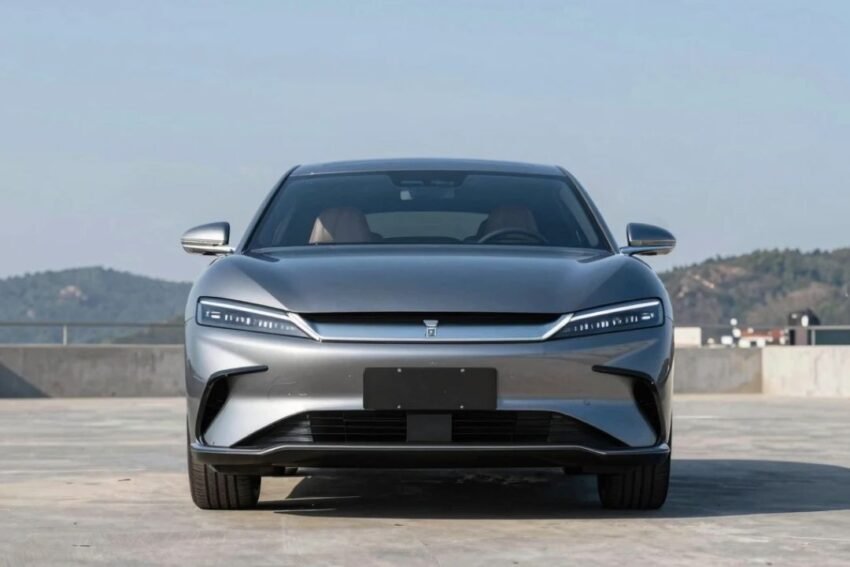
Introduction
The most anticipated new cars of 2026 are bringing together powerful performance, modern styling, advanced technology, improved efficiency, and smarter safety features. Automakers are continuing to develop gasoline, hybrid, plug-in hybrid, and electric vehicles to meet the changing needs of drivers.
From redesigned SUVs and practical family cars to electric vehicles and high-performance models, 2026 offers an exciting range of automotive choices. New cars are also becoming increasingly connected, with artificial intelligence, digital dashboards, advanced driver assistance, smartphone integration, and over-the-air software updates becoming important parts of the driving experience.
For car enthusiasts, 2026 is especially interesting because manufacturers are not simply focusing on horsepower. They are also improving efficiency, aerodynamics, battery technology, interior comfort, connectivity, and sustainability.
This guide explores the most anticipated new cars and automotive innovations of 2026, including powerful engines, hybrid technology, EVs, modern designs, smart features, safety improvements, and future automotive trends.
Why 2026 Is an Exciting Year for New Cars
The automotive industry is going through one of its biggest technological transformations.
Major developments include:
- Advanced hybrid powertrains
- New electric vehicles
- Improved battery technology
- Faster EV charging
- AI-powered vehicle systems
- Advanced driver assistance
- Connected-car technology
- Modern infotainment
- Sustainable materials
- Improved engine efficiency
These technologies are appearing across different vehicle categories.
1. Toyota RAV4
The Toyota RAV4 is one of the most anticipated vehicles in the compact SUV segment.
Its latest-generation direction emphasizes electrification, technology, practicality, and modern styling.
Key Highlights
- Hybrid-focused powertrains
- Plug-in hybrid technology in relevant markets
- Modern interior
- Advanced safety features
- Flexible cargo space
- Available all-wheel drive
The RAV4 remains particularly appealing to families and commuters.
2. Toyota Camry
The Toyota Camry continues to attract buyers looking for an efficient and comfortable midsize sedan.
Its hybrid-focused approach makes it particularly interesting for drivers who want fuel savings without switching to a fully electric vehicle.
Features
- Hybrid powertrain
- Comfortable cabin
- Modern infotainment
- Advanced driver assistance
- Spacious seating
- Efficient everyday performance
3. Honda Civic
The Honda Civic remains a major player in the compact-car segment.
It offers a balance of efficiency, practicality, modern design, and technology.
Why It Matters
The Civic appeals to drivers who want an affordable vehicle that is easy to drive while offering modern safety and connectivity.
It can be a strong option for commuters, students, and small families.
4. Honda CR-V
The Honda CR-V remains one of the most anticipated family-oriented SUVs.
Its combination of spacious seating, cargo flexibility, and available hybrid technology makes it a strong choice for everyday driving.
Key Benefits
- Spacious interior
- Practical cargo area
- Hybrid availability
- Comfortable ride
- Advanced safety technology
- Family-friendly design
5. Hyundai Tucson
The Hyundai Tucson continues to stand out with bold styling and a technology-focused interior.
Electrified powertrain options make it particularly relevant as consumers look for more efficient SUVs.
Highlights
- Modern exterior
- Digital displays
- Hybrid technology
- Comfortable interior
- Driver-assistance features
- Practical cargo space
6. Kia Sportage
The Kia Sportage is another important SUV for buyers looking for modern styling and technology.
Its cabin provides a strong focus on digital features and everyday practicality.
Key Features
- Spacious cabin
- Modern infotainment
- Hybrid availability
- Flexible cargo space
- Advanced safety technology
- Contemporary design
Powerful Engines in New Cars
Despite the growth of electric vehicles, gasoline engines remain important in the automotive market.
Modern gasoline engines are becoming more efficient through technologies such as:
- Turbocharging
- Direct fuel injection
- Variable valve timing
- Cylinder management
- Advanced thermal management
- Improved engine controls
Manufacturers are attempting to deliver strong performance while reducing fuel consumption.
Hybrid Power Meets Performance
Hybrid technology is increasingly being used to improve performance.
Electric motors can provide instant torque, helping vehicles accelerate quickly.
A performance hybrid can combine:
Gasoline engine + electric motor + battery + intelligent power management
This combination can deliver both efficiency and strong performance.
Electric Performance Cars
Electric vehicles are changing expectations for acceleration.
Electric motors can deliver immediate torque, allowing some EVs to achieve extremely quick acceleration.
Performance EVs may also use multiple motors for improved traction and power distribution.
Potential Benefits
- Instant torque
- Fast acceleration
- Precise torque control
- Quiet operation
- Advanced driving modes
Modern SUV Design
SUVs continue to dominate consumer interest in many markets.
Modern SUVs are becoming more aerodynamic while retaining their practical dimensions.
Design trends include:
- Slim LED lighting
- Large digital displays
- Sculpted bodywork
- Hidden door handles on some models
- Aerodynamic wheels
- Larger glass areas
- Bold front designs
Electric SUV Innovation
Electric SUVs are particularly important because their larger dimensions can accommodate substantial battery packs.
New electric SUVs can offer:
- Long-range capability
- Fast charging
- Strong acceleration
- Spacious cabins
- Large cargo areas
- Advanced technology
However, real-world EV range varies based on weather, speed, terrain, vehicle load, and climate-control use.
Hybrid SUV Innovation
Hybrid SUVs provide an alternative for consumers who want better fuel efficiency but do not want to rely entirely on charging.
They can combine:
- Gasoline range
- Electric assistance
- Regenerative braking
- Practical cargo space
- Family-friendly interiors
This makes hybrid SUVs one of the most important automotive categories.
Plug-In Hybrid Technology
Plug-in hybrids offer another electrification strategy.
They use larger batteries than traditional hybrids and can be charged externally.
A PHEV can potentially handle many daily trips using electric power while retaining a gasoline engine for longer journeys.
This makes the technology useful for drivers who have charging access but frequently travel long distances.
AI-Powered New Cars
Artificial intelligence is becoming one of the most important new automotive technologies.
AI can support:
- Voice assistants
- Navigation
- Driver monitoring
- Vehicle personalization
- Predictive maintenance
- Energy management
- Driver assistance
The future car may understand more natural conversations instead of requiring specific voice commands.
AI Voice Assistants
AI-powered voice systems could make interacting with vehicles easier.
Drivers may be able to say:
- “Find a charging station.”
- “Take me to the nearest restaurant.”
- “Lower the cabin temperature.”
- “Find a parking location.”
The system can interpret the request and perform the appropriate function when supported.
Advanced Driver Assistance
New vehicles increasingly include sophisticated driver-assistance systems.
These can include:
- Automatic emergency braking
- Adaptive cruise control
- Lane-keeping assistance
- Blind-spot monitoring
- Traffic-sign recognition
- Rear cross-traffic alerts
- Driver monitoring
- Parking assistance
These technologies are intended to assist drivers, not replace them.
Smarter Safety Systems
Vehicle safety is becoming more intelligent through cameras, radar, sensors, and software.
Future systems may better identify:
- Pedestrians
- Cyclists
- Vehicles
- Road markings
- Obstacles
- Driver distraction
Improved sensor technology can help vehicles react more effectively to potential hazards.
Modern Car Interiors
Interior design is becoming an important part of new-car development.
Modern cabins often feature:
- Digital instrument clusters
- Large infotainment displays
- Wireless smartphone connectivity
- Premium materials
- Ambient lighting
- Heated and ventilated seats
- Advanced climate controls
Manufacturers are trying to make interiors feel more like comfortable digital spaces.
Large Digital Displays
Large screens are becoming increasingly common.
A modern dashboard can combine:
- Navigation
- Music
- Vehicle information
- Climate controls
- Phone functions
- Driver-assistance information
However, intuitive controls remain important for reducing distraction.
Over-the-Air Updates
Software updates are changing how vehicles can improve after purchase.
Compatible vehicles can receive remote updates for certain systems.
Potential update areas include:
- Infotainment
- Navigation
- Connectivity
- Energy management
- Driver-assistance features
- Vehicle software
This can reduce the need for some software-related dealership visits.
Connected Cars
Connected vehicles can communicate with smartphones and cloud services.
Drivers may be able to remotely:
- Lock doors
- Unlock doors
- Check vehicle status
- Locate the vehicle
- Monitor battery charge
- Schedule charging
- Control climate functions
Availability varies by manufacturer and model.
Digital Car Keys
Digital keys allow compatible smartphones or devices to provide vehicle access.
Some systems can also allow owners to share digital access with other authorized drivers.
Security, device compatibility, and backup access should be considered.
Improved EV Charging
Charging technology continues to improve.
Newer charging systems can potentially provide more energy in shorter periods.
Important charging developments include:
- Faster DC charging
- Better charging curves
- Improved battery cooling
- Smarter route planning
- More reliable charging networks
For EV buyers, charging convenience can be just as important as battery range.
Battery Thermal Management
Battery temperature can influence charging performance and efficiency.
Automakers are improving thermal-management systems to maintain appropriate battery temperatures.
This can help with:
- Charging
- Performance
- Battery durability
- Cold-weather operation
- Hot-weather operation
Sustainable Vehicle Manufacturing
Sustainability is becoming increasingly important.
Automakers are exploring:
- Recycled materials
- Sustainable upholstery
- Recycled plastics
- Lower-impact manufacturing
- Battery recycling
Environmental considerations can influence both vehicle production and ownership.
Lightweight Materials
Reducing vehicle weight can improve efficiency and performance.
Manufacturers may use:
- Aluminum
- High-strength steel
- Advanced composites
- Lightweight plastics
Lower vehicle weight can reduce energy consumption and improve handling.
Aerodynamic Innovation
Aerodynamics is especially important for electric vehicles.
A smoother vehicle can reduce air resistance and potentially improve efficiency.
Designers may use:
- Aerodynamic body shapes
- Optimized wheels
- Active aerodynamic systems
- Underbody airflow management
These changes can help vehicles travel more efficiently.
Advanced Suspension Systems
Premium and performance vehicles are increasingly using sophisticated suspension systems.
Advanced suspension can improve:
- Ride comfort
- Handling
- Stability
- Cornering
- Driving performance
Some systems can electronically adjust damping based on road conditions.
Smarter All-Wheel Drive
Electrification is enabling new approaches to all-wheel drive.
Multiple electric motors can independently control power delivered to different wheels.
Potential benefits include:
- Improved traction
- Better acceleration
- More precise handling
- Improved stability
New Car Infotainment
Infotainment systems are becoming more sophisticated.
Important features include:
- Wireless smartphone integration
- Voice assistants
- Navigation
- Streaming services
- Bluetooth
- Cloud connectivity
- Digital vehicle controls
The best systems combine useful features with simple interfaces.
Predictive Maintenance
Connected vehicles can potentially monitor their own systems.
Future cars may alert owners about potential issues involving:
- Battery condition
- Tires
- Brakes
- Engine performance
- Cooling systems
- Electrical components
Predictive maintenance could help owners identify problems earlier.
New Cars and Cybersecurity
As vehicles become more connected, cybersecurity becomes increasingly important.
Modern cars contain numerous computers and communication systems.
Automakers need to protect:
- Vehicle software
- Digital keys
- User accounts
- Connected services
- Personal information
- Remote updates
Cybersecurity will remain a critical part of future vehicle development.
Best New Cars for Families
Families should prioritize:
- Safety
- Passenger space
- Cargo capacity
- Reliability
- Comfort
- Fuel economy
Compact SUVs such as the Toyota RAV4 and Honda CR-V can provide a useful balance between size and practicality.
Best New Cars for Commuters
Commuters should focus on:
- Fuel efficiency
- Reliability
- Comfortable seats
- Easy parking
- Driver assistance
- Low ownership costs
Hybrid sedans can be particularly attractive for high-mileage drivers.
Best New Cars for Performance
Performance buyers may prioritize:
- Horsepower
- Acceleration
- Handling
- Braking
- Transmission
- Driving modes
Hybrid and electric technology can add instant torque and sophisticated power management to performance vehicles.
Best New Cars for Long-Distance Travel
Road-trip drivers should evaluate:
- Range
- Refueling speed
- Charging availability
- Seat comfort
- Cargo space
- Highway efficiency
Hybrid vehicles provide gasoline-powered flexibility, while EVs can be excellent for long trips when fast-charging infrastructure is convenient.
New Car Prices
Prices vary according to:
- Model
- Trim
- Engine
- Battery size
- Options
- Location
- Incentives
- Dealer pricing
Buyers should look beyond the advertised starting price.
Total ownership costs can include:
Purchase price + financing + insurance + fuel/electricity + maintenance + repairs − resale value
How to Choose a New Car in 2026
Before buying, follow these steps.
1. Set a Realistic Budget
Consider the total monthly and long-term cost.
2. Identify Your Driving Needs
Think about daily commuting, road trips, passengers, cargo, and weather.
3. Choose Your Powertrain
Compare:
- Gasoline
- Hybrid
- Plug-in hybrid
- Electric
4. Compare Safety Features
Check standard and optional safety equipment.
5. Research Reliability
Look at warranty coverage and long-term reliability information.
6. Calculate Ownership Costs
Include insurance, maintenance, energy, and depreciation.
New Car Trends Beyond 2026
The automotive industry is likely to continue moving toward:
- More electric vehicles
- More efficient hybrids
- Better batteries
- AI-powered software
- Connected transportation
- Advanced driver assistance
- Sustainable materials
- Faster charging
- Software-defined vehicles
The vehicles of the future will likely depend increasingly on software as well as mechanical engineering.
Frequently Asked Questions
What are the most anticipated new cars of 2026?
Important vehicles and categories to watch include the Toyota RAV4, Toyota Camry, Honda Civic, Honda CR-V, Hyundai Tucson, Kia Sportage, new electric SUVs, hybrid vehicles, and performance models.
Will new cars be more powerful in 2026?
Many new vehicles are using electric motors and advanced powertrains to provide stronger acceleration and improved performance, although power varies significantly between models.
Are hybrid cars still important in 2026?
Yes. Hybrids provide a useful combination of gasoline-powered flexibility and electric assistance.
Are EVs becoming more practical?
Improved batteries, charging systems, efficiency, and expanding charging infrastructure are making EVs increasingly practical for many drivers.
Will AI become common in new cars?
AI is already becoming part of automotive software, particularly in voice assistance, navigation, personalization, driver monitoring, and energy management.
What should I consider before buying a new car?
Consider your budget, driving habits, powertrain needs, safety features, reliability, charging or refueling access, insurance, maintenance, and resale value.
Conclusion
The most anticipated new cars of 2026 demonstrate how rapidly the automotive industry is changing. Powerful engines remain important, but manufacturers are increasingly combining traditional performance with electrification, advanced software, smarter safety systems, and modern design.
Hybrid vehicles continue to offer an attractive balance between fuel efficiency and gasoline-powered flexibility. Plug-in hybrids provide additional electric-driving capability, while fully electric vehicles continue to improve in range, charging, performance, and technology.
SUVs remain a major focus for automakers, with models such as the Toyota RAV4, Honda CR-V, Hyundai Tucson, and Kia Sportage offering practical designs and increasingly electrified powertrains. Sedans such as the Toyota Camry and Honda Civic continue to serve buyers who prioritize efficiency and everyday usability.
Technology is perhaps the most significant change. Artificial intelligence, connected services, digital keys, large displays, predictive maintenance, and over-the-air updates are turning vehicles into increasingly sophisticated software platforms.
Performance is changing too. Electric motors can provide instant torque, while hybrid systems can combine electric assistance with powerful gasoline engines. This creates new opportunities for both performance and efficiency.
Sustainability is also shaping automotive development through battery recycling, recycled materials, lightweight construction, and improved manufacturing processes.
For consumers, the biggest benefit is choice. Drivers can select a gasoline vehicle, hybrid, plug-in hybrid, or EV according to their budget and lifestyle.
The best new car is not necessarily the most powerful or technologically advanced. It is the vehicle that offers the right combination of performance, efficiency, safety, comfort, reliability, technology, practicality, and value.
With continued innovation in batteries, AI, electric motors, engines, safety systems, and connected technology, 2026 is shaping up to be an exciting year for new cars and the future of transportation.